
You booked the free trial. Good. That’s step one. free trial lesson questions
But here’s the thing — most people walk into their trial lesson and just… sit there. They let the teacher run the show, nod along, say “yeah that sounds great,” and then hang up still not knowing if this academy is actually right for them.
That’s a waste of a free lesson.
A trial isn’t just a taste test. It’s your one shot to figure out — before you pay a single dollar — whether this teacher, this method, and this schedule actually fit your life. So you need to go in with questions. Real ones. Not “so… tell me about yourself” questions.
I’ll walk you through exactly what to ask, why it matters, and what the answers should sound like if you’re talking to a school that’s actually good.
Why the Trial Lesson Is More Than a Demo
Let’s be honest about what a free trial actually is. It’s not charity. It’s not the school being nice. It’s a sales tool — and that’s fine, every legitimate academy uses it this way, including us.
But it works both directions. While the teacher is figuring out if you’re a good student, you should be figuring out if they’re a good teacher. If you spend the whole 30 minutes just repeating “marhaba” back at someone and nothing else, you learned nothing about how lessons will actually go once you’re paying for them.
I’ve seen students book with the first academy that gave them a friendly trial, without asking a single real question, and then quit three weeks later because the pace was wrong or the teacher didn’t match their goals. Don’t be that student. Ask questions. It costs you nothing and saves you money.
Questions About the Teacher
This is where most people get lazy. They assume “native speaker” means “good teacher.” It doesn’t. Teaching is a skill separate from speaking the language.
Ask these:
- Where did you train, and how long have you been teaching (not just speaking) Arabic?
- Do you specialize in a dialect, or in Modern Standard Arabic, or both?
- Have you taught students at my exact level before?
- What happens if we don’t click — can I request a different teacher?
That last one matters more than people think. A good academy won’t flinch at this question. If they get defensive or act like switching teachers is some huge inconvenience, that tells you something about how flexible they’ll be once you’re a paying student.
At our academy, for example, our teachers are certified from institutions like Al-Azhar University, and switching teachers if the fit isn’t right is completely normal — we’d rather match you correctly than keep you with someone who isn’t working.
Questions About What You’ll Actually Learn
Honestly, this is the section people skip, and it’s the one that matters most for whether you stick with Arabic long-term.
Arabic isn’t one language when it comes to speaking. You’ve got Modern Standard Arabic — the formal version used in news, books, and official writing — and then you’ve got the spoken dialects, like Egyptian Arabic, which is what people actually use in daily conversation. If your trial teacher doesn’t ask you which one you want, or doesn’t explain the difference, that’s a red flag.
Ask:
- Is this course going to teach me MSA, a dialect, or a mix of both?
- What does a typical lesson plan look like after the trial?
- Will I get homework or materials between sessions, or is it lesson-only?
- How do you track whether I’m actually improving?
If you’re not sure which path fits your goals, it’s worth reading about the difference before your trial. We’ve got a full breakdown of Modern Standard Arabic if you want to understand what that track covers before you commit to it.
And if you’re already unsure what level you’re starting from, don’t guess in the trial lesson — take a free Arabic placement test beforehand so the teacher isn’t wasting your 30 minutes figuring out your baseline.
Questions About Scheduling and Flexibility
I’ll be straight with you — this is the thing that kills most language learning plans. Not motivation. Not difficulty. Scheduling.
People sign up excited, then their teacher is only available at 6am their time, or lessons can’t be rescheduled without 48 hours notice, or the “flexible scheduling” they were promised turns out to mean flexible only if you’re in one specific timezone.
Ask:
- What timezones do you actually cover?
- If I need to cancel or reschedule, how much notice do you need, and is there a penalty?
- Can I switch lesson days from week to week, or do I need a fixed slot?
- What happens if my teacher is sick or unavailable one week?
Get specific answers here, not vague ones. “We’re very flexible” isn’t an answer. “You can reschedule up to 12 hours before with no charge” is an answer.
Questions About Pricing and Commitment

This is the part people feel awkward asking about in a trial. Don’t be. You’re allowed to ask about money — you’re about to spend it.
Ask:
- What do lessons cost after the trial, and does the price change based on how many I book per month?
- Is there a required minimum commitment, or can I go month to month?
- Are materials included, or is that an extra cost?
- Is there a refund policy if it’s not working out?
A trustworthy academy will have clear, published pricing — not something they only reveal after you’ve already emotionally committed. Check the Arabic course pricing page before your trial so you already know the general range, and use the trial to ask about anything that’s unclear, like package discounts or refund windows.
We also offer a 3-day money-back guarantee, no questions asked, precisely because we think you shouldn’t have to gamble on a full package before you know it’s right.
If You’re Booking for Your Kid
Quick note here because it comes up a lot. If the trial lesson is for your child and not for you, the questions shift slightly.
Ask:
- Have you taught children this age before, specifically?
- How do you keep a 6-year-old (or a 10-year-old, or a teenager) engaged for a full lesson?
- Do you use games, songs, or visual materials, or is it mostly worksheets?
- What does progress reporting look like for parents?
Kids’ trial lessons should feel noticeably different in energy from adult ones. If the teacher runs it exactly like they would for an adult, that’s worth noticing.
Questions People Actually Ask Online (And What They Really Mean)
A few questions come up over and over in Arabic-learning forums and communities. Worth addressing directly:
“How do I know if the free trial teacher is representative of what I’ll actually get?” Ask directly: “If I sign up, will I continue with you, or get assigned to someone else?” Some academies use their best teacher for trials and a different roster for paying students. That’s a fair question to ask outright.
“Is 30 minutes even enough to judge a teacher?” Not fully, no. But it’s enough to judge communication style, patience, and whether they actually adjust to your level instead of running a fixed script. Pay attention to whether they slow down when you’re confused or just plow ahead.
“Should I try trials with multiple academies before deciding?” Yes. Genuinely, yes. Nobody should be offended by this. If a school gets weird about you comparing options, that’s information too.
What NOT to Overthink
Here’s the thing — I’ve also seen people turn the trial lesson into an interrogation. Fifteen questions, notepad out, treating it like a job interview. That’s overkill, and it eats into your actual learning time.
Pick five or six questions that matter most to you. Let the rest of the lesson actually be a lesson. You want to walk away knowing two things: did I understand the teacher, and did I enjoy the 30 minutes. Everything else is details you can clarify by email afterward.
A Simple List to Bring With You
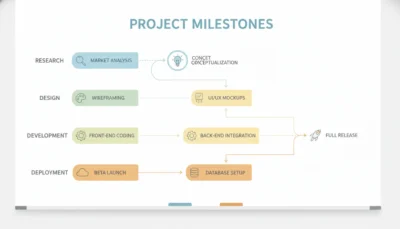
If you want something short and practical, here’s what to actually bring into the call:
- What’s your teaching background and experience with my level?
- Will this course focus on MSA, a dialect, or both?
- What happens after the trial — pricing, scheduling, materials?
- Can I reschedule or switch teachers if needed?
- Is there a refund or guarantee if it’s not the right fit?
Five questions. That’s it. You’ll have time left to actually learn a few words of Arabic too.
Ready to See It for Yourself
Reading about a trial lesson only gets you so far. At some point you just have to sit in one and ask your questions directly to a real teacher.
If you want to see our teachers’ backgrounds before you even book, check out the teachers page first. And once you’re ready, go ahead and book your free trial — no credit card, no pressure, just a real conversation with a certified teacher who’ll actually answer your questions instead of dodging them.
Related reading: How to Choose the Right Arabic Teacher for Your Goal and Daily Arabic Study Routine if you want to plan what happens after the trial, not just during it.