People ask this question all the time how many hours to learn arabic ? And honestly, most of the answers online are either way too vague or completely unrealistic.
“Oh, just 600 hours and you’re fluent!” Sure. Tell that to the person who studied for two years and still can’t order food in Arabic without switching to Google Translate.
So let’s talk about this properly. Real numbers. Real expectations. And a plan that actually fits your life.
First, Let’s Answer the Basic Question
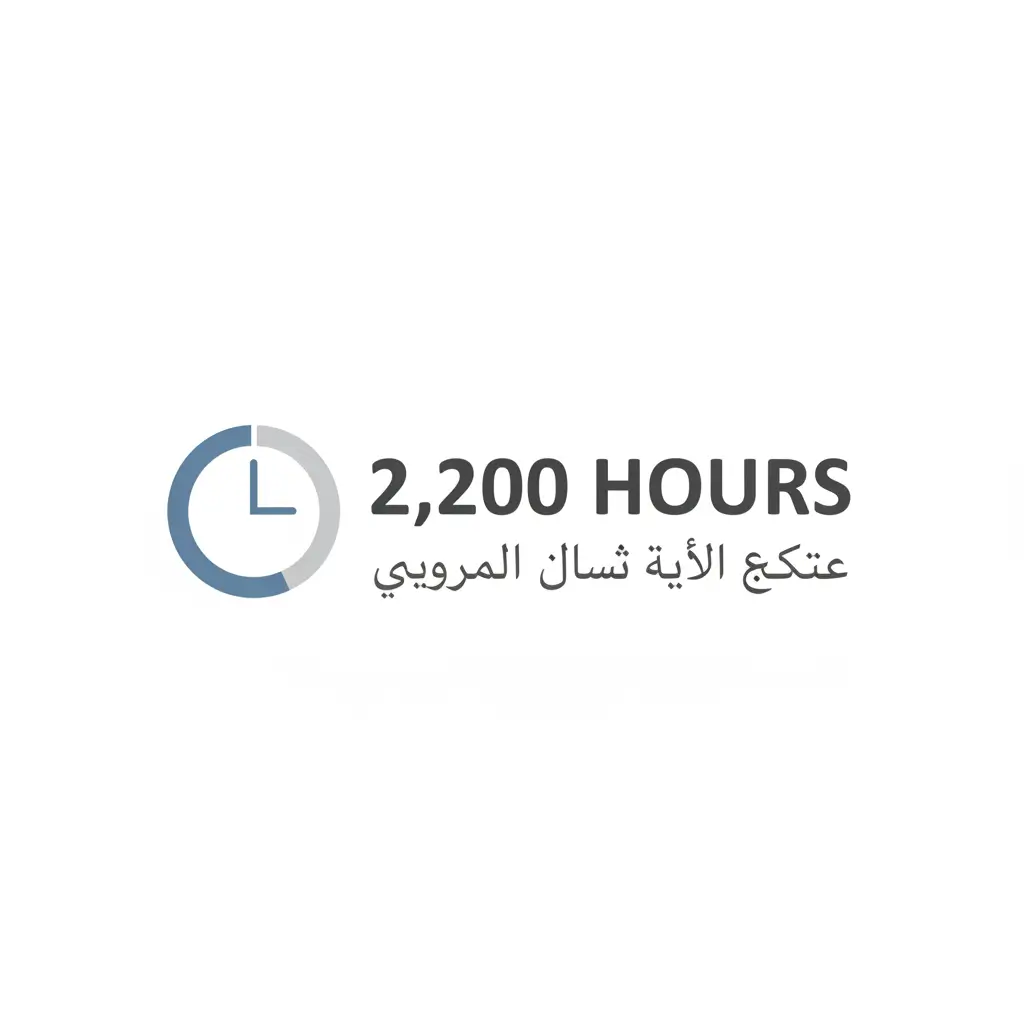
The U.S. Foreign Service Institute — the people who train American diplomats — says Arabic takes about 2,200 hours to reach professional working proficiency.
That’s their number. And it’s for motivated adults, studying full-time, with professional instructors.
2,200 hours. Let that sink in.
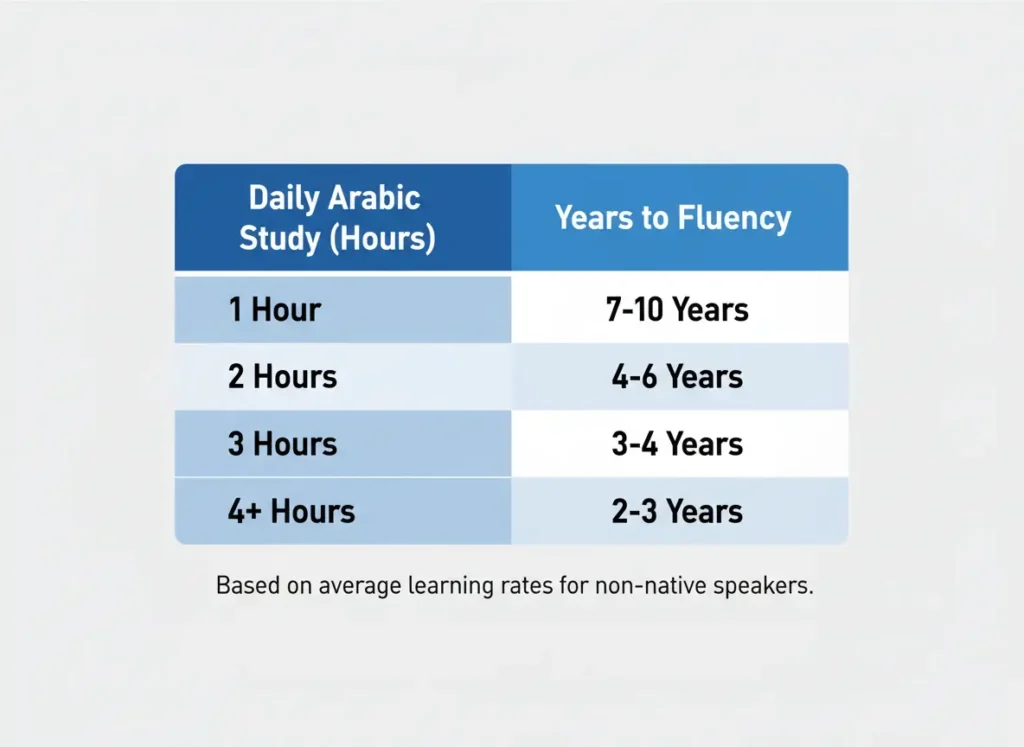
But here’s the thing — that number doesn’t mean much until you break it down into your actual life. Because most people aren’t diplomats studying 8 hours a day. They’re regular people with jobs, kids, and maybe 30–60 minutes a day to spare.
So let’s do the math together.
What Does 2,200 Hours Look Like in Real Life?
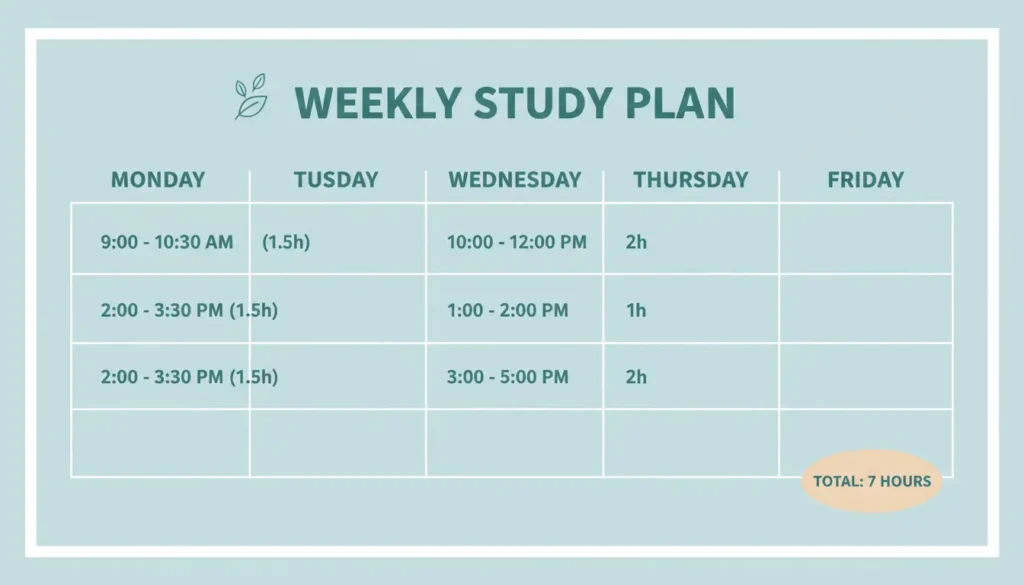
| Study Time Per Day | Days Per Week | Time to Reach Fluency |
|---|---|---|
| 30 min | 5 days | ~14–17 years |
| 1 hour | 5 days | ~8–9 years |
| 2 hours | 5 days | ~4–5 years |
| 3 hours | 6 days | ~2.5–3 years |
| 5 hours | 6 days | ~1.5 years |
Okay, I know. Those numbers look terrifying. But wait.
Before you close this tab — two things:
One: You don’t need 2,200 hours to be useful. You need maybe 300–500 hours to hold a real conversation. That’s it.
Two: Those FSI numbers are for Modern Standard Arabic (MSA) and a spoken dialect. If you have one clear goal — like reading the Quran, or speaking Egyptian Arabic with your family — you can get there much faster.
The problem is most people never define what “learning Arabic” even means to them.
What’s Your Actual Goal? (This Changes Everything)
I’ll be straight with you — “I want to learn Arabic” is not a goal. It’s a wish.
A goal sounds like:
- “I want to read the Quran without translation by next year”
- “I want to speak Egyptian Arabic well enough to visit Cairo and get around”
- “I want to use Arabic professionally in business or diplomacy”
- “I want to understand Arabic news and media”
Each of those has a different answer for how many hours you need.
Goal: Read the Quran (Classical Arabic)
You’re looking at roughly 300–600 hours to develop solid reading comprehension. Not mastery. But genuine understanding. That’s 1–2 years at 5–7 hours a week.
Goal: Conversational Egyptian Arabic
Egyptian Arabic is the most widely understood dialect in the Arab world. To have real, back-and-forth conversations, you’re looking at 400–700 hours. Focus on vocabulary and listening. Skip a lot of grammar theory.
Goal: MSA for professional or academic use
This is the hardest path. Formal Arabic. Written news. Official documents. Expect 1,500–2,200+ hours. That’s a multi-year commitment.
Goal: Basic survival phrases for travel
Honestly? 20–30 hours gets you surprisingly far. Numbers, greetings, food words, directions. Not fluency. But not nothing either.
The Student Who Counted Every Hour
I want to tell you about one of my students. Her name is Sara. She came to me two years ago — zero Arabic, complete beginner, and she was very serious about tracking her progress.
She kept a simple spreadsheet. Every session, she logged the time.
At 100 hours, she could read the Arabic alphabet without hesitating. She knew around 300 words. She could introduce herself and handle basic questions.
At 300 hours, she was having short but real conversations. Not perfect. But real. She could watch an Egyptian show and catch maybe 40–50% without subtitles.
At 600 hours, she called me and said — “I just had a 20-minute phone call with my Egyptian colleague. In Arabic. And I understood almost everything.”
She was studying 6 hours a week. Consistent. No big breaks. No intense cramming sessions.
600 hours over roughly 2 years. That’s it.
She didn’t have special talent. She didn’t grow up around Arabic. She just showed up, every week, and did the work.
I share this because most people think fluency is this distant, impossible thing. It’s not. It’s just math. Plus consistency.
Hours by Level — A Clear Breakdown (A1 to B2)
If you know the CEFR levels (A1, A2, B1, B2) — great. If not, here’s a quick guide, plus honest hour estimates for Arabic specifically.
Arabic takes longer than most languages at every stage. Don’t compare it to Spanish or French timelines. It’s not the same game.
| Level | What You Can Do | Hours Needed | Weekly Study (5 hrs/week) |
|---|---|---|---|
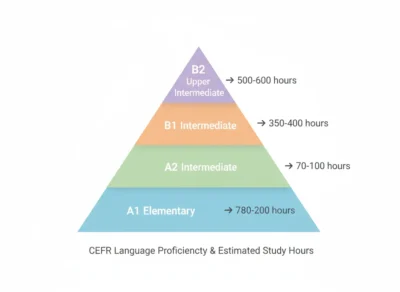
| A1 (Beginner) | Alphabet, basic greetings, numbers, simple phrases | 0–150 hrs | ~6–7 months |
| A2 (Elementary) | Simple conversations, present tense, common vocabulary | 150–350 hrs | ~8–10 months from A1 |
| B1 (Intermediate) | Express opinions, handle most daily situations, read simple texts | 350–700 hrs | ~14–18 months from A2 |
| B2 (Upper Intermediate) | Understand complex topics, read news, speak with fluency and accuracy | 700–1,200 hrs | ~2+ years from B1 |
A couple of things to understand about this table:
First — these are cumulative hours. So B2 means roughly 1,200 total hours from zero.
Second — Arabic is weird because your “level” depends heavily on which Arabic you’re learning. You could be B1 in Egyptian colloquial and still struggle with written MSA. They’re related but they’re not the same skill.
Third — the jump from A2 to B1 is where most people get stuck. It’s the hardest gap. You know enough to think you’re doing well, but you’re not fluent yet. It feels like you’ve plateaued. You haven’t. You just need more reps.
If you want to know which level you’re at right now, don’t guess. Take our free
placement test — it takes 10 minutes and it’ll give you a real answer. Take the Arabic Placement Test
The Weekly Hours Question — What Actually Works?
Here’s what I’ve seen work with real students. Not theory. Actual results.
5–7 hours a week is the sweet spot for most people.
That’s 1 hour a day on weekdays. Or 45 minutes a day every day. It’s enough to make real progress without burning out. And it’s sustainable for months — which matters more than intensity.
A lot of students come to me and say “I’m going to study 3 hours every day.” And I always say the same thing: great, let’s see where you are in 3 weeks.
Most of them can’t keep it up. Life happens. And then they feel guilty. And then they quit.
Consistency beats intensity. Every single time.
5 hours a week, every week, for 12 months = 260 hours. That’s real, meaningful progress. You’ll be holding basic conversations by then. Reading short texts. Understanding some spoken Arabic.
3 hours a week, skipped every other week, scattered across 2 years = maybe 200 messy, interrupted hours. Much less progress. Much more frustration.
A Realistic Weekly Plan (By Level)
Complete Beginner — 0 to Conversational Basics
Time needed: 3–5 hours/week
Timeline: 12–18 months
What to focus on each week:
- 2 hours: Core vocabulary (Anki flashcards or a structured word list)
- 1 hour: Pronunciation and the Arabic alphabet (if MSA)
- 1–2 hours: Simple grammar — just the essentials, not everything
Don’t try to learn everything at once. Pick one dialect OR MSA. Not both. Not yet.
Intermediate — You Know Some Arabic, But It’s Messy
Time needed: 5–7 hours/week
Timeline: 12–24 months to get solid
This stage is where most people get stuck. You know stuff, but it doesn’t come out right when you speak.
What to focus on:
- 2–3 hours: Speaking practice (with a teacher, a tutor, a language partner — humans, not apps)
- 2 hours: Listening (podcasts, shows, real content in Arabic)
- 1–2 hours: Reading — short articles, simple books, anything
The mistake people make at this stage is doing more grammar study. You probably don’t need more grammar. You need more reps. More real exposure. More conversation.
Advanced — You’re Functional, But Want to Get Sharp
Time needed: 7–10 hours/week
Timeline: 1–3 years depending on your goal
At this point, it’s about immersion. You need to be consuming Arabic content regularly. Reading news. Watching films. Writing. And ideally — speaking with native speakers as much as possible.
Can You Learn Arabic Faster?
Yes. But not by grinding harder.
Here’s what actually speeds things up:
1. Get a good teacher early.
I mean this seriously. One bad habit, learned early, can cost you months of unlearning later. A teacher who corrects your pronunciation and grammar from day one saves you enormous time. If you want to find a qualified teacher, check out our Arabic teachers — they work with all levels and goals.
2. Focus on one variety of Arabic.
MSA or a dialect. Not both at the same time. This is where beginners waste the most time — jumping between Egyptian Arabic, Quranic Arabic, and MSA all at once and learning none of them properly.
3. Use spaced repetition for vocabulary.
Anki. Use it. 15–20 minutes a day reviewing flashcards will build your vocabulary faster than any other single method.
4. Speak from week one.
Not after you “know enough.” Now. Even badly. Especially badly. The embarrassment is part of the process. It forces your brain to actually use the language, not just recognize it.
5. Make it part of your day, not separate from it.
Label things in your house in Arabic. Change your phone language. Listen to Arabic music or podcasts during your commute. The more Arabic touches your daily life, the faster it sticks.
Can You Learn Arabic in 100 Hours?
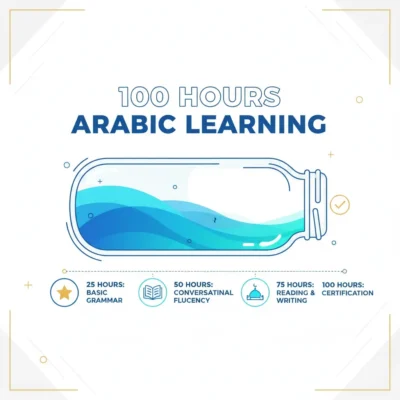
Short answer: sort of. Depends what you mean by “learn.”
100 hours is not nothing. I want to be clear about that. At 100 hours, a focused student can:
- Read and write the Arabic alphabet without much hesitation
- Know 500–700 common words
- Handle basic greetings, introductions, and simple questions
- Understand a slow, clear speaker on familiar topics
That’s real. That’s useful. If your goal is to visit an Arabic-speaking country and not be completely lost — 100 hours gets you surprisingly far.
But here’s the thing — 100 hours will not make you fluent. It won’t even get you to A2 in most cases. Not in Arabic. Maybe in Spanish. Not here.
Arabic has a non-Latin script. It has sounds that don’t exist in English. The grammar works differently from almost any European language. And there are multiple varieties of the language — MSA, Egyptian, Levantine, Gulf — that overlap but aren’t identical.
100 hours is a great start. A real start. But “learning Arabic” in any meaningful sense takes more.
What can you realistically do with 100 hours if you spend them well?
- Pick one focus (alphabet + Egyptian Arabic basics, OR Quranic reading foundations)
- Use structured lessons, not random YouTube videos
- Practice speaking from week 2 onward, not week 20
- Track your hours — knowing you’re at 73/100 keeps you motivated
100 hours, well spent, is better than 300 hours of scattered, unfocused study. Quality matters. But don’t let anyone tell you 100 hours = fluency. That’s just not true for Arabic.
What Reddit and Quora Actually Say
Real people on Reddit and Quora talk about this a lot. And the answers range from “I got conversational in 18 months” to “I’ve been studying for 5 years and I’m still not fluent.”
The difference isn’t talent. It almost never is.
The difference is:
- Did they have a clear goal?
- Did they study consistently or in scattered bursts?
- Did they focus on speaking, or just reading and grammar?
- Were they learning from real human teachers, or just apps?
Duolingo is fine for keeping Arabic warm. It is not a language learning plan. People who rely on it as their main tool plateau fast.
The people who make serious progress? They usually had a structured course or a live teacher, studied 5–10 hours a week consistently, and spoke the language regularly — even when they made mistakes.
The Honest Answer Nobody Gives You
Here’s the thing — you’re probably not going to become fluent in Arabic in a year. Not at normal study speeds. And that’s okay.
But you can reach a level that feels genuinely useful in 12–18 months. You can hold conversations. You can read basic texts. You can watch Egyptian shows and understand the general idea. You can read the Quran with comprehension if that’s your goal.
That’s not “fluent.” But it’s real. And it’s worth it.
The people who get discouraged are usually measuring against the wrong goal. They wanted to sound like a native speaker in 6 months. That’s not a realistic bar.
Set a real goal. Measure your progress honestly. And don’t quit after a hard week.
FAQ — Real Questions People Ask About Arabic Study Hours
Q: How long does it take to learn Arabic for an English speaker?
Realistically? 3–5 years to reach genuine fluency from zero, studying around 5–7 hours a week. That sounds like a lot. But “genuine fluency” is a high bar. You’ll feel real progress much sooner — usually around the 300–500 hour mark. And most people find that once they reach that point, the motivation kicks in hard because the language actually starts working for them.
Q: Is 30 minutes a day enough to learn Arabic?
It’s enough to make slow progress. And slow progress is still progress. 30 minutes a day, 5 days a week = about 130 hours a year. At that pace you’re looking at 3–4 years to reach basic conversational level. If that timeline works for you — go for it. Just be realistic. And make sure those 30 minutes are focused. No multitasking. No half-attention. 30 full minutes beats 90 distracted ones.
Q: I studied Arabic for 2 years and still can’t speak. Why?
This is more common than you think. And it almost always comes down to one of three things:
One — you studied grammar and vocabulary but never actually spoke. Reading about a language is not the same as using it.
Two — your study was inconsistent. Two months on, six weeks off, restart. That kills progress.
Three — you were trying to learn MSA and a dialect at the same time without a clear plan. Pick one lane first.
Two years of real, focused study with regular speaking practice should get you to B1. If it didn’t, something in the method was off — not your ability.
Q: How many hours a week do Arabic learners study on Reddit?
Based on what people share — the most common answer is 1–2 hours a day (7–14 hours a week) for serious learners. Casual learners report 30 minutes to 1 hour. The people making the fastest progress tend to combine structured lessons with daily listening and at least 2–3 speaking sessions per week. Apps alone almost never get people past A2.
Q: Does it matter if I learn MSA or a dialect first?
Yes. A lot. And you should decide this before you start, not 6 months in.
If your goal is Quran, Islamic texts, formal writing, or news — start with MSA.
If your goal is talking to people, watching shows, or traveling — start with a dialect. Egyptian Arabic is the most widely understood. It’s a solid first choice.
Don’t try to do both at the same time in the beginning. Your brain will thank you.
How to Know Where You’re Starting From
Before you can plan how many hours you need, you need to know where you actually are.
That sounds obvious. But most people overestimate their level. Or they’ve studied before but have big gaps they don’t know about.
The fastest way to figure out your level is to take a proper placement test. Not a 5-question quiz. An actual test that checks your reading, vocabulary, and grammar.
We have a free one right here: Take the Arabic Placement Test
It takes about 10 minutes. And it’ll tell you exactly where to start — so you’re not wasting time on things you already know or jumping ahead to things you’re not ready for.
A Simple Weekly Plan to Start Right Now
Let’s say you have 5 hours a week. Here’s what that looks like broken down:
Monday: 45 min — Vocabulary (new words + flashcard review)
Tuesday: 45 min — Grammar (one concept, practiced with examples)
Wednesday: 45 min — Listening (podcast, YouTube, show — in your target dialect or MSA)
Thursday: 45 min — Speaking or writing practice
Friday: 45 min — Review everything from this week
Weekend: Rest. Or use Arabic casually — music, TV, conversation. No pressure.
That’s it. Simple. Sustainable. And if you do that every week for a year, you’ll be somewhere genuinely useful.
Thinking About a Structured Course?
If you want to skip the guesswork and just follow a plan someone’s already built, that makes sense. A lot of people learn faster with structure — knowing exactly what to study, in what order, with a teacher checking their work.
We have courses built specifically for Modern Standard Arabic — from complete beginner to advanced. And pricing is transparent.
Check out our courses and pricing here if you want to see what a structured path looks like.
Final Word
Here’s what I want you to take away from this:
You don’t need 2,200 hours before Arabic feels worth it. You need maybe 6 months of honest, consistent effort before you start feeling real progress.
5–7 hours a week. Clear goal. Good teacher. Consistent reps.
That’s the whole plan.
Now the question is — what’s your actual goal? Because once you know that, everything else falls into place.