
Last updated: April 2026
Introduction: Teaching Your Child Arabic at Home – A Journey of Discovery
Teaching your child Arabic at home isn’t just a lesson—it’s a journey of discovery, creativity, and family connection. Whether your child is learning their first Arabic words or already singing short Arabic songs, your home can become the most enjoyable classroom ever.
This guide dives into creative and fun strategies for learning Arabic for kids at home, showing parents how to transform every day into a language adventure. We’ll cover interactive games, online courses, reading techniques, and everything you need to help your child speak, read, and love Arabic.
For a hands‑on learning experience, explore our best Arabic activities and lessons for kids.
Part 1: Fun Ways to Engage Kids in Arabic at Home
Choosing Interactive Stories for Beginners – The Magic of Tales
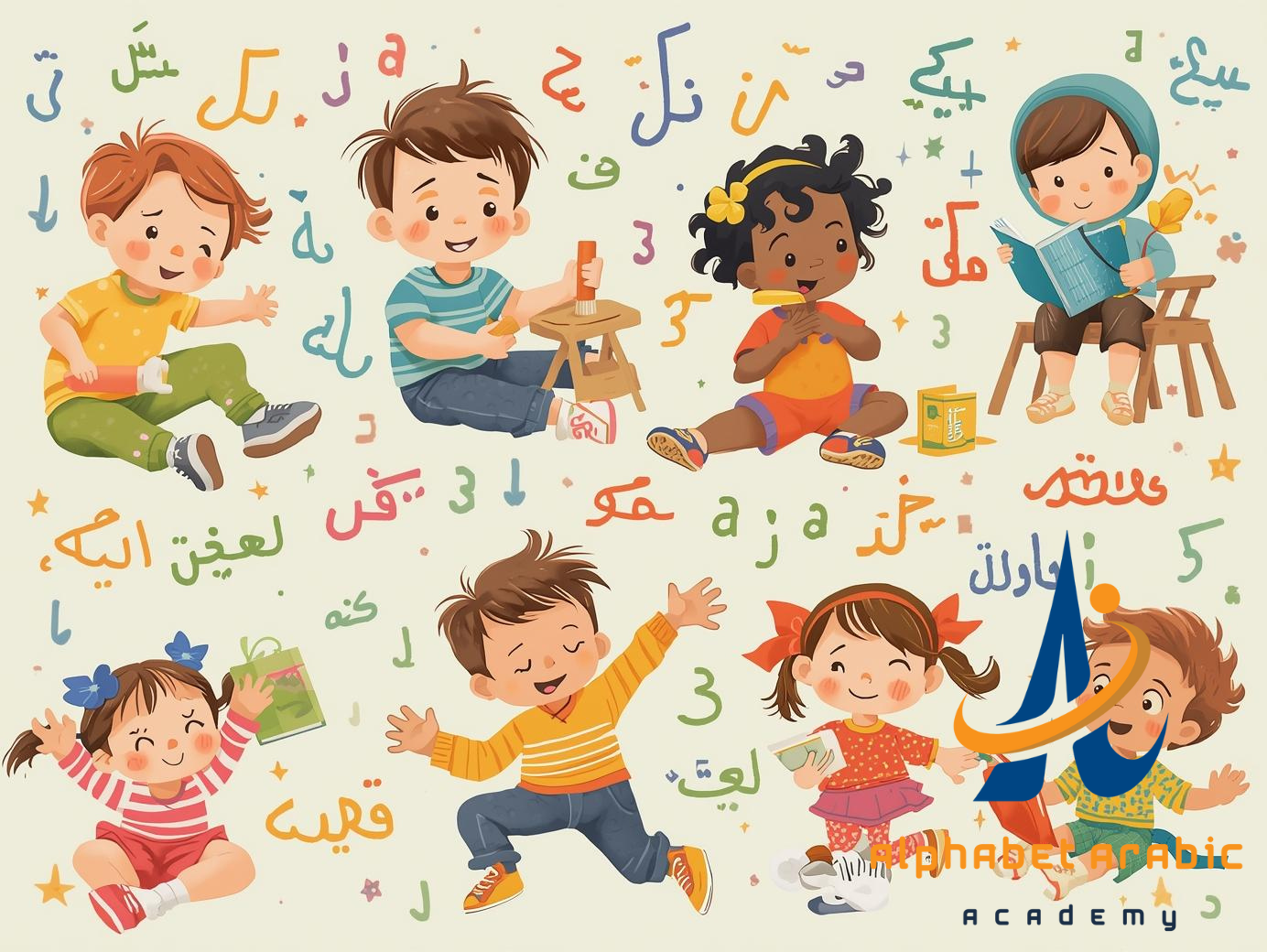
Kids absolutely love stories. Arabic tales can be the perfect way to introduce both vocabulary and imagination. Try interactive Arabic storybooks that include pictures, sounds, or online animations. Encourage your child to repeat simple words, act out scenes, and guess what happens next. This keeps their curiosity alive and helps Arabic feel like a natural language of play and wonder.
Selecting Favorite Arabic Cartoons – Screen Time That Teaches
Screen time can actually become learning time when guided well. Choose Arabic cartoons where characters speak clearly and emotions are easy to understand. Shows like Adnan wa Lina or Simsim Street help children listen and repeat. Watch with them, pause occasionally, and ask questions like, “What word did they just say?” This interactive watching style strengthens both listening and speaking skills.
Building Essential Arabic Vocabulary – The Strong Start
Teaching Basic Words through Play – Words That Stick
Children learn best when they play. Turn your living room into a mini Arabic world—label furniture in Arabic (باب، كرسي، نافذة) or play treasure hunts with flashcards.
For digital lovers, apps and online lessons make learning Arabic for kids at home simple, fun, and interactive through storytelling, visuals, and easy games.
Learning Arabic for Kids at Home Activities – The Joy of Doing
Creating Hands-On Crafts and Projects – Learn by Making
Art and Arabic mix beautifully. Encourage your child to draw pictures and label them in Arabic, or craft Arabic alphabet shapes using clay or colored paper. These creative moments make vocabulary memorable and connect Arabic with self-expression.
Incorporating Daily Household Objects – Everyday Arabic
The simplest way to teach Arabic? Use what’s around you. During breakfast, name foods in Arabic (ماء، خبز، جبن). While cleaning, say colors and shapes. When your child hears Arabic daily, they start thinking in it naturally.
Exploring Interactive Arabic Games – Playtime Meets Learning
Using Popular Board Games Effectively – Learn Through Play
Turn regular board games into Arabic language adventures. Replace English terms with Arabic words, or use flashcards as game prompts. You can even find online Arabic games that combine fun and education.
Developing Daily Arabic Practice Routines – Little Habits, Big Impact
Setting Up Favorite Morning Sessions – A Gentle Start
Start mornings with short, light Arabic sessions: singing a short Arabic song, repeating a new word, or reading a mini story. Morning practice builds consistency and helps kids associate Arabic with positivity and routine.
Benefits of Learning Arabic for Kids at Home – A Journey Worth Taking
Tracking Progress with Simple Journals – Watch Growth Unfold
Keep a language journal together. Let your child draw or write a few Arabic words every week. Over time, this becomes a record of their progress and pride.
Learning Arabic for kids at home also strengthens focus, memory, and cultural understanding. Kids develop empathy and curiosity as they learn about new worlds through Arabic language and stories.
Part 2: Learn Arabic Kids Online – A Fun and Interactive Experience
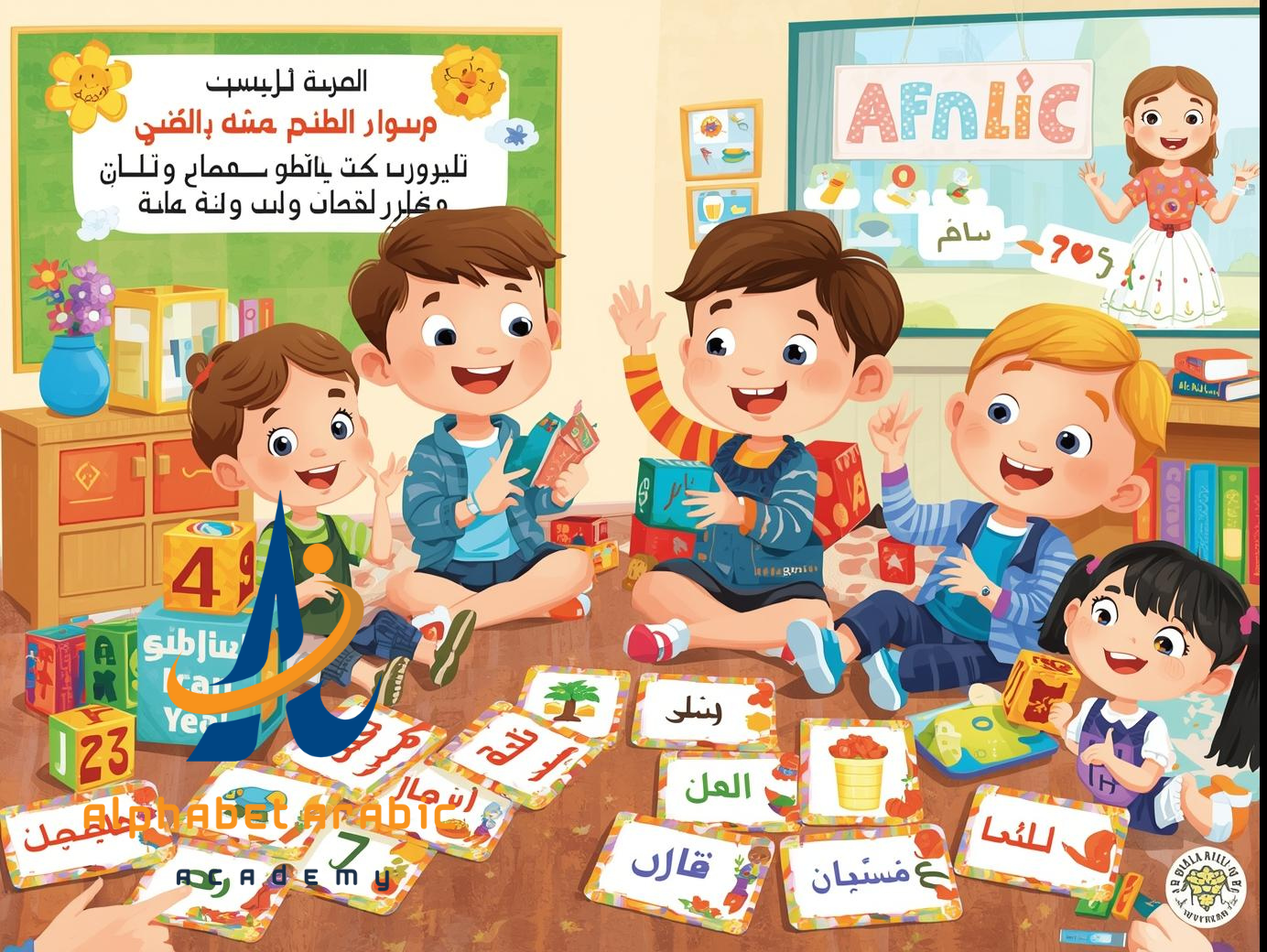
Diving into learn Arabic with kids online is an exciting adventure! With cutting‑edge digital tools, engaging stories, and immersive activities, children can absorb the language naturally. Our platform delivers expert‑led courses at an unbeatable price, starting at just $40/month.
Learn Arabic for Beginners – Building a Strong Foundation
Starting fresh? No worries! Our carefully structured lessons take children on a linguistic journey, covering pronunciation, basic vocabulary, and essential grammar. Daily exposure fuels their progress, ensuring effortless retention of new words and phrases.
The Magic of Learning Arabic with Kids
Learning Arabic with your child transcends words and grammar; it becomes a shared adventure filled with discovery:
- Start Early, Learn Easily – Children’s minds are like sponges.
- Pronunciation Perfection – Through music, storytelling, and native tutors.
- Cultural Doors Open Wide – A pathway to history, traditions, and Islamic values.
- Fun Meets Education – Apps, worksheets, and games transform learning into playtime.
Affordable Yet Exceptional – Learn Arabic Without Breaking the Bank
We believe in quality education at prices that make sense:
- Top‑tier learning, low cost
- Learn anywhere, anytime (Android, iOS, desktop)
- Diverse materials: digital books, worksheets, videos, live classes
- Highly rated tools (Duolingo, Preply, AlifBee, Arabee)
What Benefits Will Your Child Experience from This Course?
- Arabic Alphabet & Letters – Songs, flashcards, games
- Essential Words & Phrases – High‑frequency vocabulary
- Reading & Writing Mastery – Worksheets, guided exercises, storytelling
- Speaking & Listening Confidence – Native instructors
- Islamic and Cultural Insights – Quranic studies and cultural storytelling
Global Resources, Native Experts – An Unmatched Learning Experience
- Learn from the best – qualified native‑speaking tutors
- A wealth of tools – Duolingo, AlifBee, Preply, Arabee
- Interactive & engaging – storytelling, music, gamified exercises
- Step‑by‑step growth – from beginner to fluent
Part 3: How to Learn Arabic Fast for Kids – Effective Methods
How to Learn Arabic Fast and Easy for Kids
To make Arabic learning fast and easy, kids need a structured yet enjoyable approach:
- Use interactive activities like songs, games, and videos.
- Break lessons into small, manageable parts.
- Practice daily to build confidence.
- Encourage speaking at home.
Easy Way to Learn Arabic for Kids
The easiest way is integrating Arabic into everyday routine:
- Start with basic words and phrases.
- Use play‑based learning (storytelling, crafts, music).
- Use visuals like flashcards and charts.
- Download Arabic learning apps.
How to Learn Arabic Quickly for Kids
Combine different techniques:
- Mix visual, auditory, and hands‑on learning.
- Enroll in an Arabic class or academy.
- Reinforce with worksheets, books, printable materials.
- Practice speaking at home.
Learn Arabic with Family – A Fun Approach
- Speak Arabic during meals and daily activities.
- Play Arabic language games together.
- Read Arabic storybooks before bedtime.
- Sing Arabic songs and rhymes.
How to Learn the Arabic Alphabet Fast for Kids
- Use colorful alphabet charts.
- Play interactive alphabet games.
- Practice writing in fun ways (sand writing, tracing).
- Watch engaging alphabet videos.
Arabic Fast – Best Learning Techniques for Kids
- Immerse them in Arabic media (songs, cartoons, stories).
- Encourage daily speaking.
- Use digital tools (apps, online courses).
- Make learning interactive with flashcards and games.
Teach Children Arabic with the Right Methods
- Use age‑appropriate teaching materials.
- Make lessons short and engaging.
- Encourage real‑world application.
- Introduce Arabic through storytelling and role‑playing.
Arabic Playground – A Fun Learning Environment
- Incorporate games and puzzles.
- Create Arabic scavenger hunts.
- Include hands‑on activities like crafts and drawing.
Understand Arabic Basics – The First Step
- Begin with familiar words and expressions.
- Focus on proper pronunciation and listening skills.
- Introduce simple grammar concepts early.
Arabic Alphabet Intro
- Use flashcards to help kids memorize letters.
- Practice letter sounds through rhymes and songs.
- Engage with alphabet tracing worksheets.
Use Engaging Arabic Apps for Kids
- Top apps: Arabee, Duolingo Kids, AlifBee.
- Apps with interactive games, quizzes, pronunciation guides.
Set Clear Arabic Goals
- Break learning into small milestones.
- Celebrate successes.
- Set daily practice routines.
Join Arabic Learning Groups for Kids
- Online Arabic language groups.
- Language exchange programmes.
- Arabic storytime sessions.
Utilize Arabic Storybooks for Effective Learning
- Start with picture books.
- Use bilingual books to connect with English.
Incorporate Arabic Songs for Fun Learning
- Nursery rhymes help pronunciation and word recognition.
- Daily listening improves skills.
Practice Arabic with Games for Kids
- Memory games with Arabic words.
- Board games to strengthen vocabulary.
- Digital Arabic language games.
Daily Arabic Practice Routine for Kids
- Allocate specific times daily.
- Include reading, listening, writing activities.
Use Visual Arabic Aids for Better Learning
- Flashcards for quick memorization.
- Daily review sessions.
Engage with Native Speakers
- Online Arabic tutors or conversation partners.
- Arabic‑speaking playgroups.
Part 4: Learning Arabic For Kids – The 10 Simple Steps Now
Step 1: Learning Arabic for Beginners
We provide structured lessons that help beginners grasp essentials – speaking, reading, writing from day one.
Step 2: Learning Arabic Language for Beginners Online
Online learning offers convenience. Interactive classes include video lessons, quizzes, and engaging exercises.
Step 3: Learn Arabic for Baby
Early exposure sets foundation. Beginner‑friendly programs introduce basic words, sounds, letters for babies and toddlers.
Step 4: Learn Arabic Alphabet for Beginners Online from Zero
Engaging activities like flashcards, tracing worksheets, digital tools.
Step 5: Understand Arabic Basics
Cover essential grammar, common phrases, pronunciation techniques.
Step 6: Choosing Learning Resources
- Books for Kids – Age‑appropriate with vibrant illustrations.
- Online Tools – Interactive websites, exercises, digital worksheets.
Step 7: Incorporate Daily Practice
Consistent exposure – a little each day through reading, listening, speaking.
Step 8: Engaging with Arabic Songs
Educational songs help memorize words and improve pronunciation.
Step 9: Introducing Arabic Stories
Storytelling helps grasp new words and sentence structures naturally.
Step 10: Using Flashcards Effectively
Printable flashcards with pictures and Arabic words make learning visual.
Speaking Arabic at Home with Family
Encourage simple greetings, daily phrases, small conversations.
Learning with Arabic Games Online
Interactive role‑playing, quizzes, word challenges.
Engage in Arabic Activities
Craft and play – coloring letters, vocabulary posters, interactive storytelling.
Explore Cultural Contexts
Learn Arabic customs, traditions, holidays, common expressions.
Connecting with Native Speakers (Tutors Online)
Speaking with native tutors helps practice real‑life communication.
Evaluating Learning Progress
Interactive quizzes, pronunciation checks, writing exercises.
Part 5: Arabic Language for Kids – Creative Lessons
Benefits of Learning Arabic Online at Alphabet Arabic Academy
Arabic is one of the most widely spoken languages globally. Children who learn Arabic develop strong cognitive skills, problem‑solving abilities, and a deeper connection to Arabic culture.
Engaging Arabic Lessons Online
Our lessons incorporate fun activities, colorful visuals, interactive tasks – games, songs, storytelling.
Interactive Learning Tools and Games
Bite‑sized lessons, mobile‑friendly apps, educational games, quizzes.
Arabic Alphabet Exploration with Related Words
Introduce the abjad system, letter shapes, how they connect. Printable worksheets, videos, hands‑on activities.
Vocabulary Building Activities and Cards
Fun vocabulary games, flashcards, interactive stories. High‑frequency words and useful phrases.
Language Pronunciation Practice and Listening
Native Arabic‑speaking tutors, audio exercises, repetition‑based learning.
Cultural Insights Through Language Practice
Arabic traditions, stories, history – making learning meaningful and immersive.
Storytelling in Arabic with Pictures
Classic tales, modern stories, fables – improve reading comprehension, listening, creativity.
Fun Games and Quizzes with Homework Revisions
Educational games, role‑playing activities, quizzes – learning feels like an adventure.
Progress Tracking for Kids
Progress tracking tools for parents to monitor reading, writing, speaking.
Parental Involvement Importance via Reports
Guidance and resources for parents to support kids at home.
Certification and Rewards for Every Registration
Certificates of completion after each level – celebrate progress.
Arabic Language for Kids Blog and Posts
Tips, success stories, educational insights.
Safety Measures in Online Learning with Expert Tutors
Secure, child‑friendly platform with trained tutors and monitored lessons.
Join Our Arabic Learning Community
Virtual classes, interactive forums, language challenges – boost confidence.
Fun and Effective Learning Experience via Egyptian Tutor
Designed to be fun, interactive, easy – online lessons, mobile apps, worksheets, videos.
Learn Arabic Online at Alphabet Arabic Academy
Flexible, effective – live lessons, self‑paced courses, expert tutors.
Learn Arabic for Beginners and Advanced Level
Structured lessons for all levels.
Part 6: The Best Way to Learn Arabic for Children – What Is It?
Importance of Learning Arabic
Over 400 million speakers worldwide. Early exposure enhances cognitive abilities, communication skills, and understanding of Islamic and Arab cultures.
The Best Way to Learn Arabic for Children – Effective Methods
A mix of formal lessons, immersion, storytelling, games, and multimedia. Structured, interactive, engaging.
Interactive Learning Resources – Is It Free with Course?
Apps like Duolingo, AlifBee, Noor Academy – fun games, visuals, exercises.
Immersive Arabic Experiences via Native Tutors
Storytelling, reading books, listening to stories, watching educational cartoons.
Professional Tutors and Classes – Native Egyptian Speakers
Qualified tutors with step‑by‑step approach. Affordable, flexible, online.
Parent Involvement in Online Course
Simple activities at home, watching videos together, using Arabic books. Language‑friendly environment.
Utilizing Arabic Multimedia
Songs, cartoons, YouTube channels, podcasts – improve pronunciation and comprehension.
Practice Through Playful Activities
Alphabet puzzles, flashcards, role‑playing, songs – effortless learning.
Tracking Learning Progress
Regular quizzes, vocabulary tests, reading exercises.
Why Start Early?
Children learn faster due to brain’s ability to absorb new information naturally. Early start = better pronunciation, grammar, retention.
Part 7: Arabic Reading for Kids – 10 Ways to Make It Easy
Is Arabic Easy to Read?
Arabic script may seem challenging, but with structured lessons and consistent practice, children can learn it easily. 28 letters, taught through engaging activities.
Benefits of Learning to Read Arabic for Children
- Boosts cognitive abilities
- Strengthens cultural connection
- Boosts academic performance
- Encourages Quran reading
- Develops communication skills
Steps to Learn to Read Arabic for Children
- Start with Arabic alphabet (flashcards, songs)
- Practice letter sounds (phonics)
- Read simple words
- Use interactive apps (Duolingo)
- Engage in daily reading (short stories)
Arabic Reading Practice for Kids – Effective Methods
- Browse online storybooks with vivid illustrations
- Incorporate games and puzzles
- Practice with native speakers
- Follow a structured program
How to Teach a Child to Read Arabic – Expert Tips
- Start with basic sounds and words
- Use colorful books and interactive videos
- Encourage repetition with engaging exercises
- Create a daily reading routine
- Join an Arabic learning program
How to Learn Reading Arabic Language – Best Techniques
- Use flashcards
- Listen to Arabic audio stories
- Practice writing Arabic letters
- Follow Noorani Qaida
Arabic Reading Exercises for Beginners
- Tracing Arabic letters
- Pairing letters with sounds
- Reading simple words and sentences
- Listening to Quran recitations
Easy Words to Read in Arabic – Beginner List
- سلام (Salaam) – Peace
- باب (Baab) – Door
- كتاب (Kiitaab) – Book
- بيت (Bayt) – House
- شمس (Shamms) – Sun
Arabic Reading for Kids PDF – Free Guide
Download from our website – alphabet essentials, short stories, writing practice sheets.
Arabic Reading Books for Kids – Top Recommendations
Award‑winning children’s books with simple words, illustrations, PDFs and audiobooks.
Arabic Reading App for Kids – Interactive Learning
Apps like Duolingo, interactive reading apps with engaging lessons and games.
Arabic Reading Rules – Essential Guidelines
- Written right to left
- Letter shapes change based on position
- Vowel marks help pronunciation
Is Reading Arabic Hard?
No – with the right tools and approach, structured lessons and interactive exercises simplify the process.
Part 8: Arabic Reading for Kids Beginner – Engaging Stories and Games
Engaging Stories for Arabic Reading for Kids Beginner
Through simple and colorful tales, children absorb vocabulary, sentence structure, and rhythm naturally. Following familiar characters helps recognize letter shapes and sounds.
Choosing Age‑Appropriate Story Books
Beginners need books with large letters, short sentences, vivid illustrations. Example: books introducing one or two new letters per story, phonic‑based books, interactive digital story apps.
Benefits of Arabic Reading for Kids Beginner
- Enhances cognitive development
- Cultural connection via language learning
Fun Interactive Games to Start
- Simple matching exercises for letters – pair sounds with pictures
- Themed adventures with flashcards – hide flashcards, pronounce and say a word
Essential Tools and Resources
Recommended beginner workbooks – tracing sheets, phonics guides, word‑building pages.
Overcoming Common Learning Challenges
- Pronunciation difficulties – use songs, tongue exercises, record reading aloud
- Short attention spans – short but frequent sessions (5 fun minutes daily)
Daily Practice Routines
- Morning routines – 5 minutes after breakfast, one letter per day
- Evening reviews – flashcards or animated videos
Creative Activities to Reinforce Skills
- Hands‑on crafts (alphabet art, playdough letters)
- Group play sessions (mini reading circles, role‑play)
Parental Involvement Techniques
- Home‑based reading encouragement – create an “Arabic corner”
- Track progress together – reward chart, celebrate small wins
Measuring Progress and Success
- Simple milestone checklists (recognizes letters, reads short words, reads with vowels)
- Fun reward systems (extra story time, stickers)
Part 9: Frequently Asked Questions (Comprehensive)

Q: What age suits kids starting Arabic?
Most children can start as early as 3–4 years old through songs, visuals, and games. Ages 3–6 are ideal.
Q: How to make Arabic learning fun?
Mix stories, games, cartoons, crafts, and songs to keep sessions joyful and energetic.
Q: What resources help beginners best?
Interactive lessons, apps (Duolingo, AlifBee, Arabee), and guided programs with native tutors.
Q: How can I involve family in the process?
Use Arabic during meals, playtime, and daily routines so everyone participates naturally.
Q: How much should quality online Arabic courses for kids cost?
Fair rates (2026): $20‑35 per session or monthly packages from $40. Very cheap options (<$15/session) may indicate undertrained teachers.
Q: Should my child learn Modern Standard Arabic (MSA) or a dialect?
For reading, writing, and formal use, start with MSA. For daily conversation, add a dialect (Egyptian is widely understood). For Quranic Arabic, focus on classical.
Q: How many sessions per week does my child need?
Minimum 2x weekly for meaningful progress. Optimal is 3x weekly. Consistency matters more than frequency.
Q: My child is shy. Can they still learn online?
Yes – many shy children prefer online learning (comfortable home, no peer pressure, one‑on‑one attention).
Q: How long until my child is fluent?
Basic conversational competence: 12‑18 months with 3x weekly sessions. Reading fluency: 18‑24 months. Advanced fluency: 3‑5+ years.
Q: Are there free resources for Arabic reading?
Yes – YouTube channels, downloadable PDFs, and some app free tiers. But structured programs with live teachers accelerate progress significantly.
Q: What are the best Arabic apps for kids?
Duolingo, AlifBee, Arabee, and our platform’s interactive lessons.
Q: Is a free trial available?
Yes – Alphabet Arabic Academy offers a free trial lesson.
Q: Can I combine Quran studies with Arabic lessons?
Absolutely – many parents choose integrated Arabic and Quran courses.
Q: Why recommend MSA for beginners?
It gives a strong foundation for reading, writing, and understanding Arabic across all dialects.
Q: How can parents support at home?
Label objects, speak simple phrases, watch Arabic cartoons, read stories, celebrate small wins.
Ready to Make Arabic Part of Your Home?
🌟 Join Arabic Courses for Kids Online – interactive lessons, progress tracking, native tutors who make Arabic learning exciting.
💬 Contact us to schedule your free consultation and start your child’s Arabic journey today!
📌 Affordable programs starting from $40/month – flexible online classes for kids of all ages.
Follow us on social media for more tips, updates, and free learning resources!