
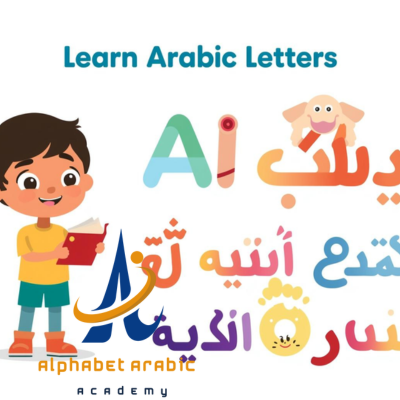

Engaging Stories for Arabic Reading for Kids Beginner
Building Foundational Skills Through Tales
Every child loves stories — they’re the heart of how kids learn and imagine. When teaching Arabic reading for kids beginner, stories become the secret weapon. Through simple and colorful tales, children absorb vocabulary, sentence structure, and rhythm naturally. By following familiar characters on exciting adventures, young learners subconsciously start recognizing letter shapes and sounds. This playful exposure makes Arabic reading not a “lesson,” but a journey of discovery — one that sparks curiosity rather than stress. Mastering a new language is easier when it’s fun; discover our engaging Arabic lessons and kids’ activities designed for all ages.
Choosing Age-Appropriate Story Books
Selecting the right storybook matters more than most parents realize. Beginners need books with large Arabic letters, short sentences, and vivid illustrations. For example:
- Books introducing one or two new letters per story.
- Phonic-based Arabic books focusing on clear pronunciation.
- Interactive reading books or digital story apps that let kids tap on words to hear their sound.
These small choices make reading accessible and enjoyable — the perfect recipe for early success.
Benefits of Arabic Reading for Kids Beginner
Enhancing Cognitive Development Early
Arabic reading doesn’t only strengthen language—it boosts overall brain power. Recognizing complex letters, following right-to-left text, and distinguishing diacritical marks train memory, focus, and visual processing. This early mental workout gives bilingual kids a massive edge, even in English literacy later on.
Cultural Connection via Language Learning
Through Arabic stories, children begin to understand the soul of the Arabic-speaking world — the hospitality, humor, and wisdom woven into tales. Whether it’s ancient folk stories from the desert or modern rhymes from city life, reading connects them deeply to the values, imagination, and traditions of the Arab culture.
Fun Interactive Games to Start
Simple Matching Exercises for Letters
Make learning Arabic letters a game! Try matching activities where kids pair sounds with pictures (e.g., “ب” with “باب”). Use flashcards, mobile apps, or even magnetic letters on the fridge. The goal is recognition before reading full words.
Themed Adventures with Flashcards
Turn reading into an adventure — set up “letter hunts” around the house. Hide flashcards featuring the Arabic alphabet, and when your child finds one, ask them to pronounce it and say a word starting with that letter. Suddenly, “learning” turns into treasure hunting!
Essential Tools and Resources Needed
Recommended Beginner Workbooks List
Start with tracing workbooks that include:
- Arabic alphabet practice sheets (in PDF or printable form).
- Phonics and short-vowel guides.
- Word-building pages for joining letters.
These help reinforce handwriting, letter recognition, and reading flow.
For parents who want a full roadmap, Start your Arabic learning journey offers structured lessons and fun learning plans — check our complete guide on Learn Arabic for Kids to start your child’s Arabic journey with confidence.
Overcoming Common Learning Challenges
Addressing Pronunciation Difficulties
Some Arabic sounds — like “ع” or “ق” — can be tricky for beginners. Use songs and tongue exercises to make them fun to practice. You can even let kids record themselves reading aloud to build confidence.
Strategies for Short Attention Spans
Keep lessons short but frequent. Rotate between reading, singing, coloring, and storytelling. Remember, five fun minutes daily are more powerful than a dull hour once a week.
Daily Practice Routines Established
Morning Routines with Short Sessions
A short five-minute reading habit after breakfast works wonders. Start with one letter per day, showing it in words, books, and songs.
Evening Reviews Using Visual Aids
Before bedtime, review the same letter with visual flashcards or animated videos. Associating reading with calm moments helps retain memory and builds a positive emotional link with the language.
Creative Activities to Reinforce Skills
Hands-on Crafts Involving Letters
Kids can create Arabic alphabet art, paint letters on paper plates, or shape them from playdough. This strengthens memory through sensory learning.
Group Play Sessions with Peers
When children learn together, they stay motivated. Organize mini reading circles with short Arabic stories or even role-play scenes from favorite tales.
Parental Involvement Techniques
Home-Based Reading Encouragement
Children mimic enthusiasm. If they see you reading or showing excitement about Arabic books, they’ll join in. Create a mini “Arabic corner” at home with colorful storybooks, posters, and tracing tools.
Tracking Child Progress Together
Make progress visible! Use a reward chart—each completed story or mastered letter earns a sticker. Celebrate small wins often; it keeps motivation high.
Measuring Progress and Success
Simple Milestone Checklists Created
Keep a checklist of milestones like “recognizes letters,” “reads short words,” and “reads with vowels.” Watching progress grow inspires both child and parent.
Fun Reward Systems Implemented
Turn achievements into fun. Offer small treats like extra story time, a new coloring book, or a star on the wall chart. This encourages consistent learning through joy.
FAQs
What age suits Arabic reading for kids beginner?
Usually from age 3 to 7 — when children begin recognizing symbols and sounds.
How to make Arabic reading for kids beginner engaging?
Blend fun, visuals, and storytelling. Use songs, videos, and interactive games.
What resources help with Arabic reading for kids beginner?
Printable worksheets, apps, online lessons, and storytelling platforms like Start your Arabic learning journey.
Is reading Arabic hard?
Not when introduced with play-based learning. Consistency and creativity make it simple.
Should I start with the alphabet or short words?
Begin with letter recognition and vowels before introducing short words and phrases.
Are apps enough for learning Arabic reading?
They’re a great supplement but not a replacement. Real guidance from teachers or parents completes the learning experience.
Ready to see your child fall in love with Arabic reading?
Start today at Start your Arabic learning journey — where learning the Arabic alphabet becomes an exciting story of growth, imagination, and joy.