

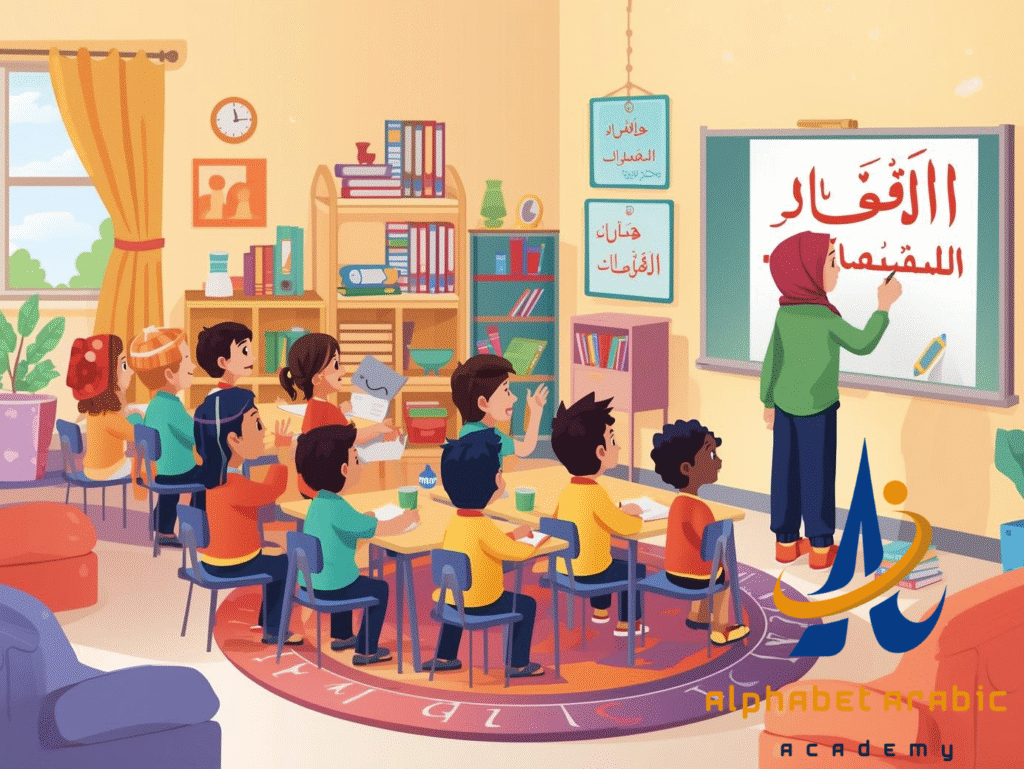
Quranic Arabic for Children is the classical Arabic language that weteach to children through our teachers, curricula and books. It is the official language spoken by billions around the world. No matter how different the dialects are, everyone knows the classical Arabic language. It is the language of the Holy Quran. Do not search a lot, as here is your anchor and safe haven to start teaching the Arabic language to children. Subscribe with us now. “If you want your kids to master Tajweed from an early age through interactive methods, check out our best online Quran programs for kids at Alphabet Arabic Academy.
Why Start Quranic Arabic Early
Starting Quranic Arabic for children early builds a foundation that shapes their understanding of both language and faith. Young minds are naturally curious and absorb sounds and words faster, making this the ideal age to introduce the beautiful rhythm of the Quran. It’s not just about memorizing verses — it’s about connecting children with divine words and nurturing a lifelong love for Islamic learning.
Benefits for Child Development
Teaching Quranic Arabic improves much more than pronunciation. It strengthens memory, concentration, and moral values. Kids who engage in Quranic learning develop discipline, patience, and empathy. They learn to connect sounds, meanings, and values — building a strong intellectual and spiritual base.
Foundational Skills Building
Before memorizing verses, kids must master Arabic letters, pronunciation (tajweed), and the ability to recognize patterns in Quranic text. This step-by-step approach helps them read, understand, and recite confidently. Parents should start with basic Qaida Nooraniyah or alphabet lessons that introduce correct sounds and shapes.
Quranic Arabic for Children Basics
Understanding Quranic Arabic begins with breaking down the language into manageable, fun lessons. Children learn best when lessons are interactive and visually engaging.
Essential Vocabulary Introduction
Focus on key words that appear frequently in the Quran — like “Allah,” “Rahman,” and “Noor.” These are not just vocabulary terms; they’re emotional anchors for young hearts. Through repetition, games, and flashcards, children quickly recognize meanings and usage in real verses.
Simple Pronunciation Techniques
Tajweed isn’t scary when introduced through sound imitation and repetition games. Teachers guide children to properly pronounce each Arabic letter by using visual mouth diagrams and listening exercises. Kids learn to hear and repeat — transforming sound into skill.
Engaging Activities for Kids
A Quranic Arabic for children program must be fun, structured, and immersive. Boredom is the biggest enemy of learning, so lessons must spark curiosity and laughter.
Interactive Storytime Sessions
Storytelling connects children emotionally with Quranic lessons. Stories of prophets, morals, and real-life examples help kids absorb complex lessons easily. Parents can use bedtime Quranic stories to strengthen both language and faith.
Creative Art Projects
Simple crafts like drawing Arabic letters, tracing words, or creating verse-inspired calligraphy keep children’s hands and minds active. Combining art with Arabic enhances memory and self-expression.
Best Resources Selection
Choosing the right resources ensures your child’s learning is structured and enjoyable. Parents can blend traditional books with interactive digital platforms for a complete experience.
Top Books and Apps
Some of the most effective tools include:
- Illustrated Quran stories for young learners.
- Arabic alphabet books with pronunciation guides.
- Quranic vocabulary apps for kids.
These materials build a consistent habit of reading and exploring.
Online Course Recommendations
Structured online classes, like those from Start your Arabic learning journey, offer live sessions, fun games, and personalized learning for every child’s level. The academy’s Quranic Arabic for children program focuses on tajweed, memorization, and understanding — not just recitation.
Parental Strategies for Success
Parents play a vital role in sustaining motivation. A child’s success in Quranic Arabic learning depends heavily on consistent home reinforcement and emotional support.
Daily Practice Routines
Create a short daily schedule for revision, such as 15 minutes of Quranic reading and 5 minutes of vocabulary review. Regular exposure keeps children confident and engaged.
Encouragement Methods
Celebrate every milestone — from recognizing new letters to reciting a full verse. Positive reinforcement builds motivation. Reward effort, not perfection.
Fun Games in Quranic Arabic
Games bring the Quranic learning journey to life. Turning lessons into play helps children retain more knowledge with joy.
Educational Play Ideas
Use flashcards, matching games, or online Arabic word puzzles. Gamified learning helps kids recognize words like “Salaam” and “Rahmah” effortlessly.
Group Activity Designs
Small online group sessions foster teamwork. Children feel excited when they compete in friendly challenges — such as memorization races or Quranic quiz rounds.
Overcoming Learning Challenges
Every child learns differently, and some may face challenges with pronunciation, memorization, or focus. Recognizing and addressing these early ensures smoother progress.
Common Obstacles Identification
- Confusing similar letters (like س and ص).
- Difficulty maintaining concentration.
- Fear of mispronouncing Quranic words.
Effective Solution Approaches
- Use short lessons with clear visuals.
- Encourage practice through repetition.
- Keep a calm, supportive environment.
- Seek professional tutors when needed.
Daily Integration Tips
Parents can turn everyday moments into learning opportunities. Arabic can be used in greetings, prayers, and mealtime discussions — making it part of daily life.
Routine Incorporation Methods
Include Quranic Arabic in bedtime routines, short morning recitations, or even while driving. Consistency builds fluency without pressure.
Advanced Topics Exploration
Once the basics are strong, move toward understanding meanings and grammar. Kids who reach this level can start interpreting short Quranic phrases.
Complex Concepts Mastery
With time and patience, children begin to recognize sentence structures and root meanings in Quranic Arabic. This stage deepens spiritual awareness and builds confidence in reading longer surahs.
your child can start their spiritual and linguistic journey through a Quranic Arabic for children program designed by expert tutors. With interactive lessons, fun activities, and certified teachers, learning becomes an inspiring experience that blends language and faith beautifully. To book a session
FAQs
What is Quranic Arabic for children?
It’s a structured approach to teaching kids the Arabic used in the Holy Quran for better understanding and recitation.
How to teach Quranic Arabic for children?
Start with the Arabic alphabet, basic tajweed, and simple vocabulary before moving to verses and meanings.
Why choose Quranic Arabic for children?
It builds a deep spiritual connection with the Quran and strengthens language comprehension.
What is the ideal age to start Quranic Arabic?
Between ages 5 and 10 — when memory and listening skills are highly active.
How long before my child can read Juz ‘Amma fluently?
Usually 6–12 months with consistent lessons and practice.
Do I need to be fluent in Arabic myself?
No, professional tutors guide both parents and children through structured learning.
Can I teach my child Quranic Arabic at home?
Yes, with the help of online resources and guidance from qualified teachers.
Ready to embark on this enriching journey?
Enroll your child today at alphabet arabic acdemy learning journey to begin their Quranic Arabic adventure!