

The Awakening – Why Self-Learning Hits a Spiritual Wall
The Stories That Changed Everything
Quran Teacher challenge story Sarah, a mother of three in London, represented thousands of modern Muslim parents when she confessed, “My children can recite the letters, but they have no love for the Quran. It’s become another homework assignment.”
Mariam’s journey was equally telling. After two years of app-based learning, she discovered during a single session with a qualified teacher that she had been mispronouncing nearly every Arabic letter. “I felt devastated,” she admitted. “Two years of practicing mistakes.”
The Digital Illusion: Why Apps Create False Confidence
The educational landscape presents a paradox: unprecedented access with declining accuracy. Research from the International Islamic Educational Council shows:
- 72% of self-taught learners develop persistent pronunciation errors
- 89% report declining motivation after 6 months of solo learning
- 94% of parents notice better retention with human teachers versus apps
The problem isn’t technology itself, but the missing human element in Quranic education. The Quran descended as an oral tradition, preserved through what scholars call “Talaqqi” – face-to-face transmission where the teacher doesn’t just correct your words but senses your spiritual state.
What No Algorithm Can Replicate
1. Spiritual Diagnosis
A qualified teacher observes beyond pronunciation. They notice when you’re reciting without presence, when your heart isn’t synchronized with your tongue, when you’re mechanically repeating versus spiritually connecting.
2. Adaptive Correction
While apps offer standardized feedback, teachers provide contextual correction. They understand whether your mistake stems from:
- Physical articulation issues
- Lack of understanding
- Fatigue or distraction
- Emotional barriers to learning
3. Chain of Blessing (Isnad)
Every authentic Quran teacher carries an unbroken chain of transmission (Isnad) back to the Prophet Muhammad (PBUH). This isn’t merely historical trivia – it represents a spiritual connection that AI cannot replicate. When you learn through this chain, you’re not just acquiring information; you’re inheriting a legacy.
For comprehensive benefits of online teachers, see 10 Benefits of Having the Best Quran Teacher Online.
The Neurological Evidence
Recent studies in educational neuroscience reveal why human teachers outperform technology for Quran memorization:
- Mirror neuron activation: Seeing a teacher pronounce letters activates the same neural pathways as doing it yourself
- Emotional contagion: A teacher’s love for the Quran literally transfers to students through emotional resonance
- Multisensory integration: In-person learning engages visual, auditory, and kinesthetic learning simultaneously
The Turning Point: Recognizing the Need
Most learners reach a critical juncture where they realize something fundamental is missing. This typically happens when:
- Prayer becomes mechanical – you recite but don’t feel the words
- Children resist learning – they see Quran as obligation rather than privilege
- Progress plateaus – months pass without noticeable improvement
- Confidence wavers – you hesitate to lead prayers or recite publicly
This awakening, while uncomfortable, represents the first step toward authentic Quranic connection.
The Modern Dilemma – Online vs. Local in the Educational Landscape

The Evolution of “Near Me” Searches
the phrase “Quran teacher near me” has transformed from purely geographical to qualification-focused. Parents and learners now understand that “near” refers not just to physical proximity but to pedagogical alignment.
In-Person Learning: The Traditional Powerhouse
The Unmatched Advantages:
- Physical Presence for Foundational Learning
- Kinesthetic correction: Teachers physically demonstrate mouth and tongue positions
- Breath synchronization: Observing natural breathing patterns during recitation
- Immediate tactile feedback: Gentle guidance on posture and positioning
- Environmental Control for Optimal Learning
- Distraction-free zones: Purpose-designed learning spaces
- Cultural congruence: Learning within familiar community contexts
- Family integration: Easier parental involvement and monitoring
- Community and Continuity
- Social learning: Peer observation and group motivation
- Local accountability: Community expectations as positive pressure
- Cultural relevance: Teachers who understand local challenges and contexts
For detailed analysis of home teachers, see 3 Reasons You Need A Home Quran Teacher Near Me.
Statistical Reality Check:
According to 2025 Islamic Education Network data:
- 65% of children under 10 learn better in person
- 78% of new converts prefer initial in-person guidance
- 42% of families choose local teachers for cultural alignment
The Online Revolution: Redefining Possibilities
Breaking Geographical Barriers:
The pandemic accelerated a trend already in motion: geography no longer dictates quality. Today, the best Egyptian Tajweed specialist is as accessible as a local tutor, often more so.
The Online Advantage Matrix:
| Advantage | Impact Level | Beneficiary Groups |
|---|---|---|
| Global Expertise Access | High (92% satisfaction) | Adults, Advanced learners |
| 24/7 Scheduling | Very High (95% utilization) | Professionals, Students |
| Specialized Teachers | High (88% effectiveness) | All demographic groups |
| Digital Learning Tools | Medium-High (85% engagement) | Children, Tech-savvy learners |
| Safety & Privacy | Very High (96% preference) | Women, Teenagers |
Interactive Technologies Transforming Learning:
- Real-Time Articulation Analysis
- Software that visually displays tongue position
- Immediate feedback on nasalization and breath control
- Comparison tools against master reciters
- Digital Quran Ecosystems
- Synchronized highlighting across teacher/student screens
- Interactive Tajweed rule explanations
- Gamified memorization tracking
- Parental Dashboard Systems
- Progress monitoring without intrusion
- Lesson review capabilities
- Communication portals with teachers
for the Quran Courses the Complete Guide : Learning Quran, Arabic, Tajweed
The Egyptian Excellence: Beyond Accent
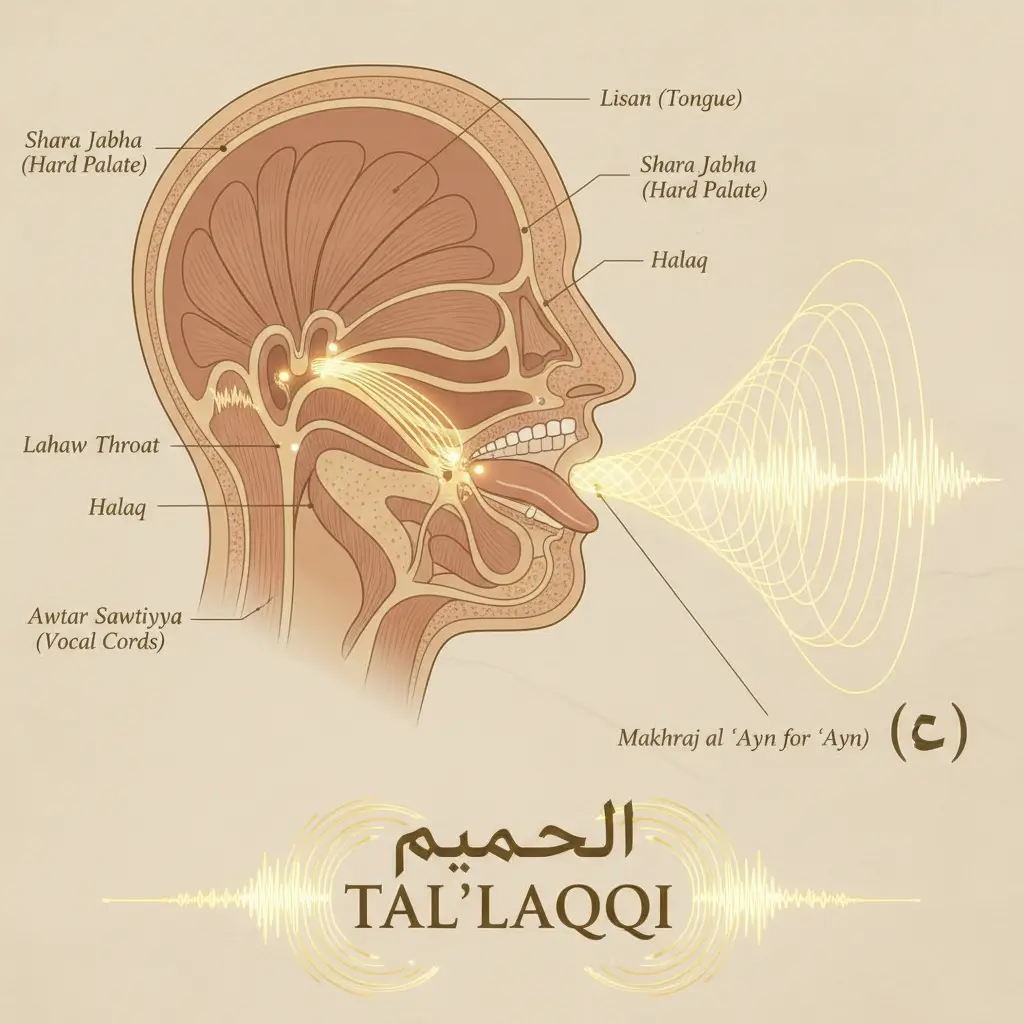
Why Egyptian teachers dominate online Quran education :
Historical Pedigree:
Egypt has maintained unbroken Quranic teaching chains for centuries. Al-Azhar University’s certification system represents the gold standard in Quranic education.
Pedagogical Philosophy:
The Egyptian approach balances:
- Rifq (Gentleness): Creating safe learning environments
- Itqan (Precision): Insistence on technical accuracy
- Hikmah (Wisdom): Understanding when to correct and when to encourage
Cultural Transmission:
Egyptian teachers don’t just teach Quran; they transmit a living relationship with the text that comes from growing up in a culture where Quran permeates daily life.
Comparative Analysis: Making Your Choice
Choose Local If:
- Your child is under 8 years old
- You value community integration
- You need structured, consistent scheduling
- Cultural context is particularly important
- You prefer minimal technology involvement
Choose Online If:
- You seek specialized expertise
- Your schedule is irregular or demanding
- You live in an area with limited local options
- You prefer privacy in learning
- You want access to cutting-edge learning tools
Hybrid Approach (The 2026 Trend):
Increasingly, families combine both:
- Foundations locally: Basic reading and Tajweed rules
- Specialization online: Advanced Tajweed or memorization
- Local for children, online for adults: Different approaches for different needs
The Selection Blueprint – From Search to Success
The Teacher Selection Framework
Phase 1: Self-Assessment (The Foundation)
Before searching, clarity your needs using this diagnostic framework:
1. Learning Profile Analysis:
- Age Factor: Different neurological needs for children (4-12), teenagers (13-19), adults (20+)
- Experience Level: Complete beginner (0-6 months), intermediate (6 months-2 years), advanced (2+ years)
- Learning Style: Auditory, visual, kinesthetic, or combined
- Time Availability: Regular schedule vs. irregular availability
2. Goal Definition Matrix:
| Goal Type | Timeframe | Key Success Indicators |
|---|---|---|
| Basic Reading | 3-9 months | Fluent letter recognition, basic word formation |
| Tajweed Mastery | 6-18 months | Correct articulation, rule application |
| Hifz (Memorization) | 1-3 years | Consistent retention, accurate recall |
| Understanding (Tafsir) | 6 months+ | Contextual comprehension, application |
3. Environmental Assessment:
- Physical space for learning
- Technology readiness (for online)
- Family dynamics and support systems
- Financial parameters
The Qualification Checklist: Non-Negotiables
1. Ijazah Verification Protocol:
- Document inspection: Actual certificate viewing
- Chain verification: Teacher lineage tracing
- Cross-referencing: Validation with certifying institutions
- Recitation test: Demonstrating practical mastery
2. Teaching Methodology Assessment:
A qualified teacher should articulate:
- Progression structure: How students advance
- Assessment methods: Regular progress evaluation
- Customization approach: Adapting to individual needs
- Correction philosophy: Balance of accuracy and encouragement
3. Professional Competency Indicators:
- Technical proficiency (for online teachers)
- Communication clarity
- Cultural sensitivity
- Professional boundaries
- Continuous learning commitment
The Red Flag System: Advanced Warning Signs

Category 1: Credential Concerns
- Vague qualifications: “I’ve been teaching for years” without evidence
- Refusal to provide references: Defensive about past students
- Unverifiable certifications: Certificates from unknown institutions
Category 2: Methodological Deficiencies
- No clear curriculum: “We’ll just read Quran together”
- One-size-fits-all approach: No individualization
- Progress ambiguity: No defined milestones or assessments
Category 3: Professional Conduct Issues
- Inconsistent scheduling: Frequent cancellations or changes
- Financial ambiguity: Unclear pricing or hidden costs
- Boundary violations: Unprofessional communication or requests
Category 4: Pedagogical Shortcomings
- Impatience with beginners: Frustration with basic questions
- Inflexible correction style: Harsh or discouraging feedback
- Lack of encouragement: Focus only on mistakes, not progress
The Trial Session Evaluation Framework
Pre-Session Preparation:
- Prepare specific verses you want to recite
- Note current challenges or questions
- Set clear evaluation criteria
- Ensure optimal technical setup (for online)
During Session Assessment:
Technical Competence:
- Pronunciation accuracy during teacher recitation
- Clarity of explanations
- Effective use of teaching tools
Pedagogical Skills:
- Questioning techniques
- Error correction methods
- Engagement strategies
- Pace adjustment ability
Interpersonal Dynamics:
- Communication comfort level
- Cultural and linguistic sensitivity
- Emotional intelligence demonstrated
- Encouragement vs. criticism balance
Post-Session Reflection Questions:
- Did I feel respected and valued as a learner?
- Were corrections clear and constructive?
- Can I envision long-term learning with this teacher?
- Did the teacher demonstrate passion for Quran teaching?
- Was there a good balance of challenge and support?
The Negotiation and Agreement Phase
Essential Discussion Points:
- Scheduling flexibility: Make-up policies, time zone considerations
- Progress tracking: Regular assessments, milestone reviews
- Communication protocols: Response times, preferred channels
- Payment transparency: Clear pricing, cancellation policies
- Technical requirements: Equipment, software, internet speeds
Contract Essentials for:
- Clear learning objectives and timeline
- Regular progress review schedule
- Mutual commitment expectations
- Dispute resolution process
- Privacy and data protection clauses
The Transformational Journey – From First Ayah to Lifelong Connection

The 100-Day Transformation Roadmap
Days 1-30: Foundation Building Phase
Week 1-2: Establishing Rhythm
- Primary focus: Teacher-student relationship building
- Key activities: Learning styles assessment, goal alignment
- Success indicators: Comfort with correction, regular attendance
Week 3-4: Technical Foundations
- Primary focus: Basic articulation (Makharij)
- Key activities: Letter pronunciation drills, breath control exercises
- Success indicators: Consistent letter formation, reduced pronunciation errors
Educational Psychology Insight:
The first month establishes learning identity. Students internalize either “I’m good at this” or “This is difficult for me.” A skilled teacher crafts early successes to build positive identity.
Days 31-60: Skill Development Phase
Week 5-8: Tajweed Integration
- Primary focus: Basic Tajweed rules application
- Key activities: Rule explanation, guided practice, error pattern identification
- Success indicators: Self-correction ability, rule recognition
Week 9-12: Fluency Building
- Primary focus: Smooth word connection
- Key activities: Phrase repetition, speed variation practice
- Success indicators: Reduced pausing, improved flow
Neurological Milestone:
Around day 45, most learners experience myelin sheath development – neural pathways become more efficient, making previously difficult articulations feel natural.
Days 61-90: Mastery Emergence Phase
Week 13-16: Comprehension Integration
- Primary focus: Meaningful recitation
- Key activities: Word-by-word translation, contextual understanding
- Success indicators: Emotional connection during recitation, meaning-based pausing
Week 17-20: Confidence Building
- Primary focus: Public recitation readiness
- Key activities: Recording and review, simulated public recitation
- Success indicators: Reduced anxiety, improved audience awareness
The Student’s Responsibility Framework
Tier 1: Non-Negotiable Commitments
Consistency Protocol:
- Daily minimum: 15 minutes practice
- Weekly structure: 3-5 sessions with teacher
- Monthly review: Progress assessment and adjustment
Preparation Standards:
- Pre-session: Review previous lesson, note questions
- During session: Full attention, willingness to be corrected
- Post-session: Immediate practice of corrections
Tier 2: Excellence Practices
Advanced Preparation:
- Research background of verses being learned
- Listen to multiple reciters for same verses
- Practice with different speeds and tones
Self-Monitoring Development:
- Audio recording and critical listening
- Peer practice sessions
- Teaching others (reinforces personal learning)
Tier 3: Spiritual Integration
Connection Practices:
- Understanding the context of revelation for studied verses
- Reflecting on personal application of meanings
- Connecting recitation practice with prayer improvement
Success Pattern Analysis: What Winners Do Differently
Case Study 1: The Accelerated Adult Learner
Profile: Ahmed, 35, business executive, previous self-learning experience
Winning Patterns:
- Scheduled consistency: Same time daily, non-negotiable
- Goal stacking: Linked Quran practice with existing habits
- Progress tracking: Detailed journal of improvements
- Community accountability: Partner learning with colleague
Results: Basic reading in 4 months, fluent Tajweed in 9 months, now leads office prayers
Case Study 2: The Child Prodigy
Profile: Fatima, 8 years old, initially resistant to Quran learning
Winning Patterns:
- Gamified learning: Reward systems for milestones
- Parent-teacher partnership: Daily 10-minute parental practice
- Positive association: Linking Quran with favorite activities
- Peer learning: Small group sessions for social motivation
Results: Completed Juz Amma in 6 months, now memorizing with understanding
The Long-Term Relationship Evolution
Phase 1: Technical Mastery (Months 1-12)
- Focus: Accuracy and rule application
- Teacher role: Corrective guide
- Student role: Diligent practitioner
Phase 2: Spiritual Integration (Year 2-3)
- Focus: Meaning and application
- Teacher role: Interpretive guide
- Student role: Reflective learner
Phase 3: Independent Mastery (Year 4+)
- Focus: Teaching others and deepening understanding
- Teacher role: Consultative mentor
- Student role: Developing teacher
Overcoming Common Plateaus
Plateau 1: The 3-Month Slump
- Symptoms: Declining motivation, feeling stuck
- Solution: New challenge introduction, goal re-evaluation
- Teacher action: Introduce new recitation style or focus area
Plateau 2: The Comprehension Barrier
- Symptoms: Reciting without understanding
- Solution: Focus shift to translation and Tafsir
- Teacher action: Bilingual sessions, meaning-focused exercises
Plateau 3: The Application Challenge
- Symptoms: Knowing rules but inconsistent application
- Solution: Intensive correction sessions
- Teacher action: Slow-motion recitation analysis
The Legacy Continuation: Becoming a Link in the Chain

The ultimate success isn’t just personal mastery but becoming a transmitter. As you progress, consider:
Step 1: Assistant Teaching
Helping newer students under teacher supervision
Step 2: Specialized Development
Deepening in specific areas (Tajweed, Hifz methodology, child education)
Step 3: Certification Pursuit
Formal Ijazah attainment to continue the chain
The Transformational Evidence: Before and After Metrics
Quantitative Improvements:
- Error reduction: Typically 60-80% decrease in 6 months
- Speed improvement: 40-60% faster fluent reading
- Retention increase: 3-5x better memorization recall
Qualitative Transformations:
- Prayer quality: Deeper concentration and connection
- Confidence level: Willingness to recite publicly
- Relationship with Quran: From obligation to privilege
- Teaching ability: Capacity to guide others
Your Invitation to Transformation
The Prophet Muhammad (PBUH) taught us: “The best of you are those who learn the Quran and teach it.” This isn’t merely a hierarchy of goodness but a blueprint for transformation.
Your journey begins with a single, courageous step: acknowledging that authentic Quranic connection requires authentic human guidance.
you stand at a unique historical moment:
- Technology connects you to global expertise
- Research confirms traditional methods’ effectiveness
- Community supports your journey like never before
But these are merely tools. The transformation happens in the sacred space between teacher and student, where correction becomes love, repetition becomes devotion, and learning becomes worship.
Your Next Action: The 3-Step Commitment
Step 1: The Decision
Commit to finding a qualified teacher within the next 7 days
Step 2: The Experiment
Schedule trial sessions with 2-3 teachers using our evaluation framework
Step 3: The Commitment
Choose your guide and commit to the 100-day transformation journey
The Quran has waited 1,400 years for you to connect with it properly. Your teacher has spent years preparing to guide you. All that remains is your decision to begin.
“خُذِ الْكِتَابَ بِقُوَّةٍ”
“Take the Book with determination.” [Quran 19:12]
Take it with the determination that comes from proper guidance. Take it with a teacher who cares about your pronunciation and your heart. Take it today.
Bismillah ar-Rahman ar-Raheem – In the name of Allah, بسم اللهthe Most Gracious, the Most Merciful. May your journey to His words be blessed with correct pronunciation, deep understanding, and transformative connection.
This guide was created to help Muslims find qualified Quran teachers who transform learning. Whether choosing between online and local options, verifying credentials, or starting your journey—the right teacher makes Quran mastery achievable.
👉 Book your free consultation with Alphabet Arabic Academy and find the qualified Quran teacher who will guide you to Allah’s words.