
When Good Teaching Isn’t Enough
Arabic Tutor for Kids Online the correct story Yasmin’s parents enrolled her in a quality Arabic class with excellent teachers. The curriculum was solid. The teacher was qualified. Other children in the class were progressing nicely.
But Yasmin, age 9, was falling behind.
While classmates read simple sentences, Yasmin still confused letters. While others held basic conversations, Yasmin froze when asked to speak. She was trying hard—coming to every class, practicing at home. But something wasn’t clicking.
Her teacher, managing 8 students, couldn’t dedicate the intensive individual attention Yasmin needed to overcome her specific struggles. The class moved forward. Yasmin felt increasingly frustrated and defeated.
“I’m just bad at Arabic,” she told her mother, tears streaming. “I can’t do it.”
That’s when Yasmin’s parents made a critical decision: they hired an Arabic tutor—not to replace her regular classes, but to provide intensive, personalized support targeting her specific challenges.
Within three weeks of working one-on-one with Tutor Layla, something shifted. Layla identified that Yasmin had visual processing differences affecting letter recognition. She adapted teaching methods specifically for Yasmin’s learning style. She provided the repetition and reinforcement Yasmin needed without pressure or judgment.
Six months later, Yasmin caught up to her class. Her confidence transformed from “I can’t” to “Watch me.” The tutor didn’t teach a complete curriculum from scratch—she solved specific problems preventing Yasmin from succeeding in her regular program.
This is the precise purpose of an Arabic tutor for kids: intensive, targeted intervention when standard instruction isn’t sufficient. Not for every child. Not for teaching from zero. But for children facing specific struggles requiring specialized, personalized support.
This comprehensive guide helps parents recognize when their child needs tutoring support, what qualified tutors provide, how to find the right match, and realistic expectations for intensive intervention.
What Makes a Tutor Different from a Teacher
Parents often confuse teachers and tutors. Both teach Arabic. But their roles and approaches differ fundamentally.
Teachers: Systematic Curriculum Delivery
What Teachers Do:
- Follow structured curriculum from beginner to advanced
- Teach groups of students simultaneously (even small groups)
- Progress according to predetermined syllabus
- Cover complete language skills systematically
- Assess all students with standardized measures
Best For:
- Children learning Arabic from scratch
- Students progressing normally
- Building comprehensive Arabic proficiency
- Long-term language acquisition
Tutors: Targeted Problem-Solving Intervention
What Tutors Do:
- Identify specific learning obstacles or gaps
- Provide intensive one-on-one remedial support
- Focus exclusively on areas where student struggles
- Adapt methods to individual learning differences
- Accelerate weak students OR challenge advanced students
Best For:
- Children falling behind despite good teaching
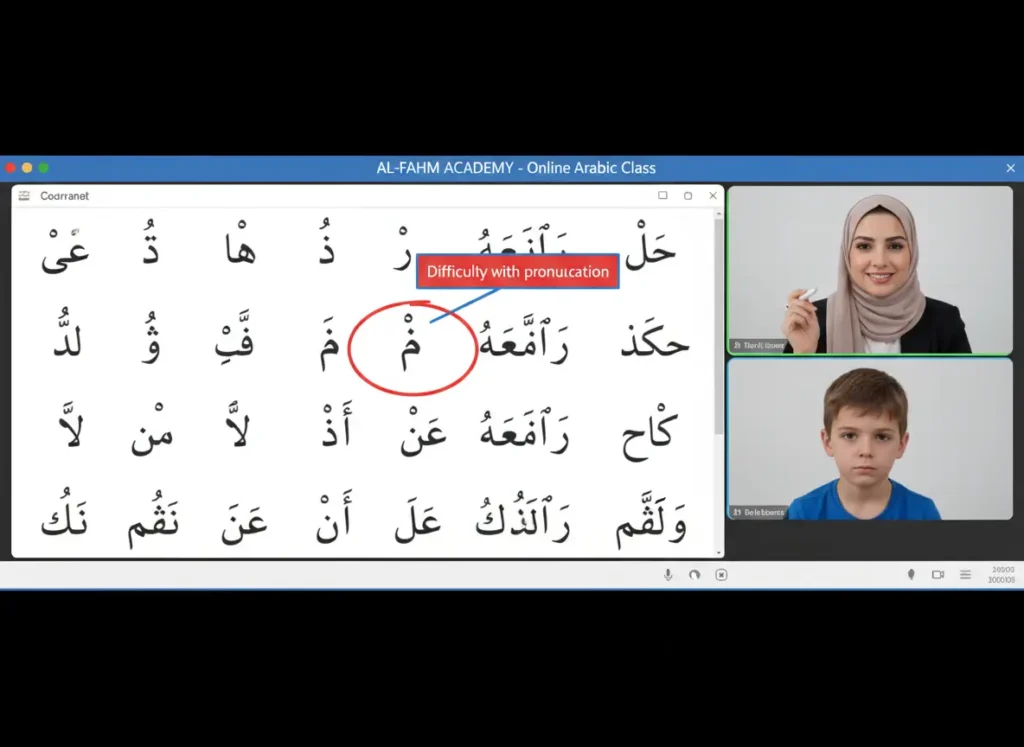
- Students with specific pronunciation, reading, or comprehension difficulties
- Learners needing acceleration before tests or travel
- Kids with learning differences requiring individualized approaches
- Students catching up after extended absence
The Fundamental Difference
Teacher = Comprehensive instruction for typical learners
Tutor = Intensive intervention for specific problems
Think of it this way: A teacher is like a pediatrician providing routine care for healthy children. A tutor is like a specialist addressing specific medical issues requiring targeted treatment.
Your child might need both—regular classes with teacher for systematic learning AND periodic tutoring for targeted support with specific challenges.
When Does Your Child Need an Arabic Tutor?
Not every child needs tutoring. But specific signs indicate intensive individual support would help.
Sign 1: Falling Behind Despite Effort
The Situation: Your child attends regular Arabic classes, practices at home, and genuinely tries—but consistently performs below classmates.
What’s Happening: Something specific is preventing progress that the regular teacher cannot address due to time constraints with multiple students.
What Tutor Provides: Diagnostic assessment identifying exact obstacle (pronunciation difficulty, grammar confusion, memory challenge, learning style mismatch). Then intensive targeted work fixing that specific problem.
Sign 2: Specific Skill Weakness
The Situation: Your child does well in some areas but struggles dramatically with one particular aspect:
- Cannot pronounce certain Arabic sounds correctly (ع، ح، خ، غ، ق، ص، ض، ط، ظ)
- Reads very slowly despite months of instruction
- Understands spoken Arabic but cannot produce sentences
- Memorizes well but cannot apply grammar
- Strong speaking but very weak writing
What’s Happening: Uneven skill development requiring intensive focus on weak area.
What Tutor Provides: Concentrated work on the specific weak skill using specialized techniques until it reaches level of other skills.
Sign 3: Lost Confidence and Motivation
The Situation: Your child once enjoyed Arabic but now resists, says “I’m bad at it,” shows anxiety or frustration.
What’s Happening: Repeated struggle without resolution creates negative association and learned helplessness.
What Tutor Provides: Individualized success experiences rebuilding confidence. Pace adjusted to enable consistent achievement. Positive reinforcement restoring motivation.
Sign 4: Preparing for Specific Event or Test
The Situation: Your child needs accelerated Arabic progress for specific reason:
- Visiting Arab relatives soon
- Entering Arabic school program with entrance requirements
- Taking placement or proficiency test
- Moving to Arab country
What’s Happening: Time-sensitive goal requiring intensive focused work beyond regular classes.
What Tutor Provides: Targeted preparation for specific objective. Intensive practice. Test-taking strategies. Rapid skill-building in priority areas.
Sign 5: Extended Absence Creating Gaps
The Situation: Your child missed significant Arabic instruction due to:
- Illness or medical treatment
- Family travel or relocation
- Schedule conflicts
- Pandemic school closures
What’s Happening: Gaps in foundational knowledge preventing success with current material.
What Tutor Provides: Intensive catch-up work filling specific gaps quickly so child can rejoin class successfully.
Sign 6: Learning Differences Requiring Adaptation
The Situation: Your child has diagnosed or suspected learning differences:
- ADHD (attention challenges)
- Dyslexia (reading difficulties)
- Auditory processing disorder
- Visual processing differences
- Autism spectrum
What’s Happening: Standard teaching methods don’t accommodate child’s specific learning needs.
What Tutor Provides: Specialized techniques adapted to learning difference. Multi-sensory approaches. Extended processing time. Structured supports. Whatever the individual child needs.
Sign 7: Advanced Student Needing Acceleration
The Situation: Your child excels in regular class and is bored or unchallenged.
What’s Happening: Standard pace too slow. Child ready for advanced material but class must accommodate slower learners.
What Tutor Provides: Enrichment beyond regular curriculum. Acceleration to higher levels. Challenge appropriate to advanced ability.
For comprehensive understanding of online Arabic learning benefits, see Learn Arabic for Kids Online: 10 Benefits.
Types of Problems Arabic Tutors Solve

Specialized tutors address challenges regular classes cannot fully remediate.
Problem 1: Pronunciation Difficulties
The Challenge: Child cannot produce Arabic sounds (ع، ح، خ، غ، ق، ص، ض، ط، ظ) correctly.
Tutor’s Solution: Diagnostic assessment of specific sounds → Intensive drilling with immediate feedback → Recording and playback → Systematic practice until automatic.
Timeline: 6-12 weeks intensive focus.
Problem 2: Reading Fluency Barriers
The Challenge: Painfully slow reading, hesitating on every word.
Tutor’s Solution: Texts at exact instructional level → Repeated reading building automaticity → Systematic expansion → Measurable progress tracking.
Timeline: 8-16 weeks typically doubles reading speed.
Problem 3: Grammar Confusion
The Challenge: Cannot understand or apply grammar concepts (gender, conjugations, case endings).
Tutor’s Solution: Break rules into smallest components → Numerous examples → Guided practice with immediate correction → Real language use in context.
Timeline: 4-8 weeks per major concept.
Problem 4: Speaking Anxiety
The Challenge: Understands but freezes or refuses to speak.
Tutor’s Solution: Private environment eliminating peer pressure → Building confidence through guaranteed success → Starting with single words → Positive reinforcement for every attempt.
Timeline: 6-10 weeks typically reduces anxiety significantly.
Problem 5: Memory and Retention Challenges
The Challenge: Learns in class but forgets by next session.
Tutor’s Solution: Spaced repetition systems → Mnemonic devices → Multi-sensory learning → Overlearning → Context-rich associations.
Timeline: Ongoing; strategies become permanent toolkit.
Problem 6: Test Preparation
The Challenge: Faces Arabic proficiency test for school placement or program admission.
Tutor’s Solution: Diagnostic practice test → Intensive focused work on tested skills → Test-taking strategies → Repeated practice with similar formats.
Timeline: 6-8 weeks intensive preparation.
For comprehensive course options addressing various needs, explore Learn Arabic Online Kids Will Love: Top 12 Courses.
How Online Arabic Tutoring Works
Understanding the tutoring process helps parents set realistic expectations and support their child effectively.
Phase 1: Diagnostic Assessment (Session 1-2)
What Happens: Tutor assesses child’s current Arabic skills comprehensively:
- Pronunciation of all Arabic sounds
- Reading fluency and accuracy
- Listening comprehension
- Speaking ability (vocabulary, sentence construction)
- Grammar understanding
- Writing skills (if age-appropriate)
Purpose: Identify precisely where child struggles. Not “bad at Arabic”—specifically which skills need targeted work.
Parent Involvement: Tutor shares detailed findings: “Your child confuses ح and ه sounds. Reading fluency is below grade level. Grammar understanding is age-appropriate. Speaking vocabulary is strong.”
Phase 2: Customized Intervention Plan (Session 3)
What Happens: Based on assessment, tutor creates individualized plan:
- Specific skills to target
- Specialized techniques for child’s learning style
- Measurable goals and timeline
- Frequency and duration of sessions needed
- Home practice recommendations
Purpose: Clear roadmap from current state to desired outcome.
Parent Involvement: Review and approve plan. Understand goals, timeline, and expected commitment.
Phase 3: Intensive Targeted Work (Ongoing Sessions)
What Happens: Systematic work on identified problems:
- Each session focuses on specific objective
- Child receives immediate correction and feedback
- Techniques adapted in real-time to what works for this child
- Regular progress checks against goals
- Adjustments when needed
Typical Session Structure:
- Review of previous work (5-10 minutes)
- Intensive new skill practice (20-30 minutes)
- Application and reinforcement (10-15 minutes)
- Home practice assignment
Frequency:
- Mild difficulties: 1x weekly
- Moderate challenges: 2x weekly
- Severe struggles or urgent timelines: 3-4x weekly
Duration:
- 30 minutes for young children (ages 5-7)
- 45 minutes for middle childhood (ages 8-11)
- 60 minutes for adolescents (ages 12+)
Phase 4: Transition and Maintenance
What Happens: Once child reaches goals:
- Gradual reduction in tutoring frequency
- Integration back to regular classes only (if that was goal)
- OR transition to maintenance schedule (monthly check-ins)
- Strategies for sustaining gains
Purpose: Ensure progress sticks without creating tutor dependence.
Parent Involvement: Understand how to support ongoing progress without tutor.
For finding quality programs, see Learn Arabic for Kids Near Me: Best Platforms.
Success Stories: When Tutoring Solved the Problem
Ahmed’s Pronunciation Breakthrough
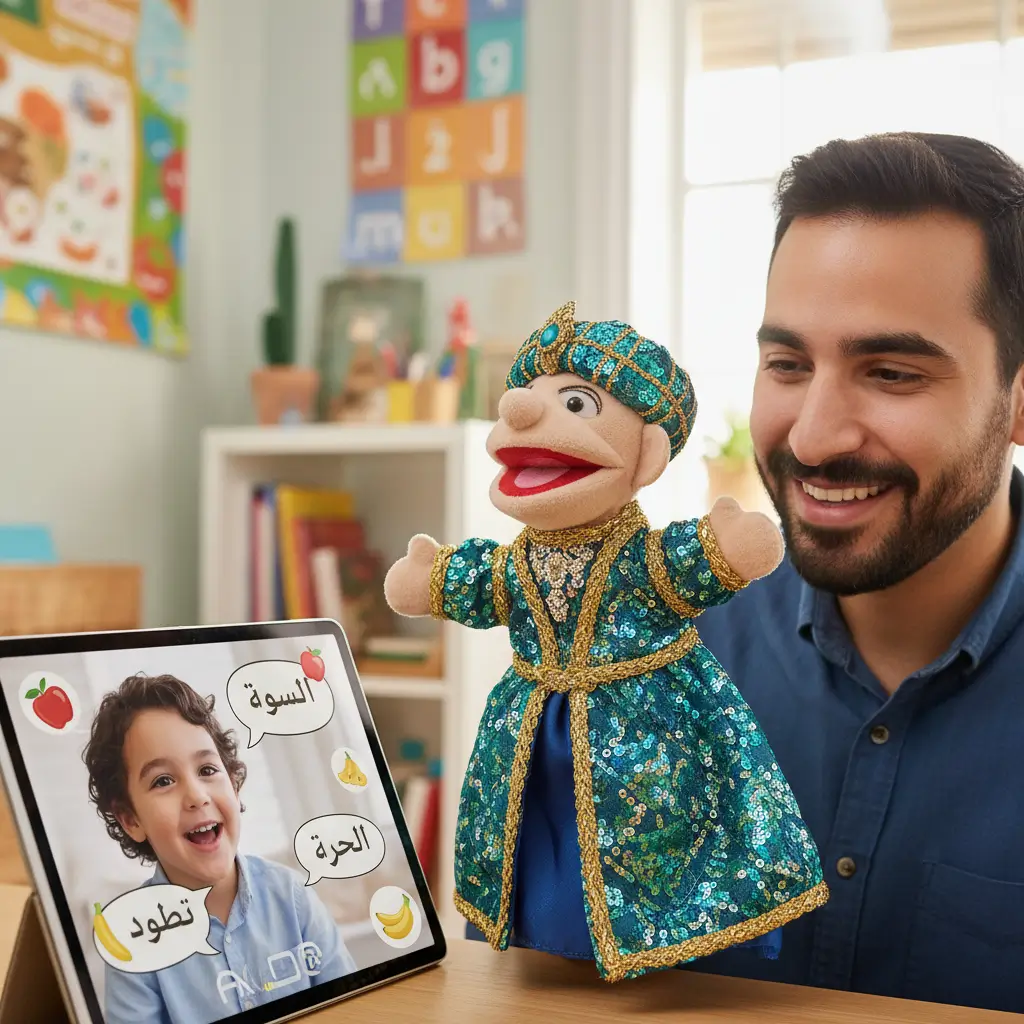
Age 7, Egyptian-American. Couldn’t pronounce ع، ح، ق after 8 months regular classes. Tutor provided intensive phonetic instruction 2x weekly. Result (3 months): All sounds corrected, confidence restored, continued regular classes successfully.
Noor’s Dyslexia Adaptation
Age 10, dyslexic. Arabic right-to-left reading overwhelming. Specialized tutor used multi-sensory approach, colored overlays, kinesthetic methods, extensive technology. Result (6 months): Functional reading level achieved, strategies for managing dyslexia with Arabic text, relationship with language transformed.
Kareem’s Test Success
Age 13. Needed to pass placement test in 8 weeks. Intensive tutor met 4x weekly focusing on tested skills, practice tests, time management. Result: Passed test, entered desired program, tutoring discontinued (mission accomplished).
For additional quality tutoring options, explore Best Arabic Tutor for Kids Online.
How to Choose the Right Arabic Tutor for Your Child
Not all tutors are equal. Finding the right match requires strategic selection.
Step 1: Identify the Specific Problem
Before searching for tutor, clarify:
- Exactly what is your child struggling with? (Be specific: “pronounces ع incorrectly” not “bad at Arabic”)
- What’s the goal? (Fix pronunciation / Catch up to class / Pass test / Build confidence)
- What’s the timeline? (Ongoing support / 8-week intensive / Until specific milestone)
Clear problem definition guides tutor selection.
Step 2: Find Tutors with Relevant Specialization
Different problems need different expertise:
For Pronunciation: Tutor with phonetics training For Reading: Tutor experienced with literacy development For Learning Differences: Tutor with special education background For Test Prep: Tutor familiar with specific test format For Advanced Acceleration: Tutor comfortable with advanced materials
How to Find:
- Specify the exact problem in your search/request
- Ask tutors directly: “Have you worked with children struggling with X?”
- Request examples of similar successful cases
Step 3: Verify Qualifications
Essential Credentials:
- Native or near-native Arabic (for pronunciation models)
- Teaching credentials or extensive tutoring experience
- Specific training relevant to your child’s needs
- Documented success with similar challenges
Warning Signs:
- Vague about qualifications
- No experience with your specific problem type
- Cannot provide references or examples
Step 4: Assess Compatibility and Approach
Schedule Trial Session:
During Trial, Observe:
- Does tutor accurately diagnose your child’s specific issue?
- Does tutor explain their approach clearly?
- Does your child seem comfortable?
- Does tutor set realistic expectations?
After Trial, Evaluate:
- Do you understand the proposed intervention plan?
- Does the timeline seem reasonable?
- Do you trust this tutor’s expertise?
- Does your child want to continue?
Step 5: Establish Clear Communication
Before Starting:
- Agree on specific measurable goals
- Establish session frequency and duration
- Understand pricing and payment terms
- Clarify how progress will be measured and reported
- Confirm cancellation and rescheduling policies
Ongoing:
- Weekly brief updates on progress
- Immediate communication if concerns arise
- Monthly comprehensive progress reviews
- Adjustment of plan when needed
For comprehensive online options, see Learn Arabic Online for Kids.
Frequently Asked Questions
How is tutoring different from regular Arabic classes?
Regular classes teach complete curriculum systematically to groups. Tutoring provides intensive one-on-one intervention targeting specific problems. Children often need both—regular classes for comprehensive learning AND tutoring for targeted support with specific challenges.
How long will my child need tutoring?
Depends on the problem. Specific pronunciation issues: 2-3 months. Reading fluency: 3-6 months. Catching up after extended absence: 4-8 weeks. Learning differences: Ongoing periodic support. Test preparation: 6-8 weeks. Advanced acceleration: As long as enrichment is desired. Quality tutors set clear goals and timelines upfront.
Can tutoring replace regular Arabic classes?
Generally no. Tutoring solves specific problems but doesn’t provide comprehensive curriculum. Exception: very short-term intensive tutoring for specific goal (pass test, prepare for travel). For long-term Arabic proficiency, children need systematic instruction (regular classes) PLUS targeted intervention (tutoring) when specific problems arise.
How much should quality Arabic tutoring cost?
Fair rates (2026): $30-50 per session for qualified specialized tutors. Higher ($50-70) for tutors with advanced specializations (dyslexia, test prep for high-stakes exams). Lower ($20-30) may indicate less specialized tutors. Very cheap (<$20) often signals unqualified. Intensive specialized intervention merits fair compensation.
My child’s regular teacher says tutoring isn’t necessary. Should I still consider it?
Teachers sometimes underestimate how much a child is struggling (managing multiple students, may not see full picture). Trust your parental instincts. If your child shows signs of struggle, frustration, or falling behind despite effort, consultation with specialized tutor for diagnostic assessment can’t hurt. Second opinion from expert specifically focused on struggling learners provides valuable information.
Can online tutoring really work for intensive intervention?
Yes. Research shows no significant difference in outcomes between in-person and online one-on-one tutoring when technology is adequate and tutor is skilled. Online advantages: access to specialized tutors regardless of location, often lower cost, scheduling flexibility. Key is qualified tutor with online teaching skills and stable technology.
Why Choose Alphabet Arabic Academy for Specialized Tutoring
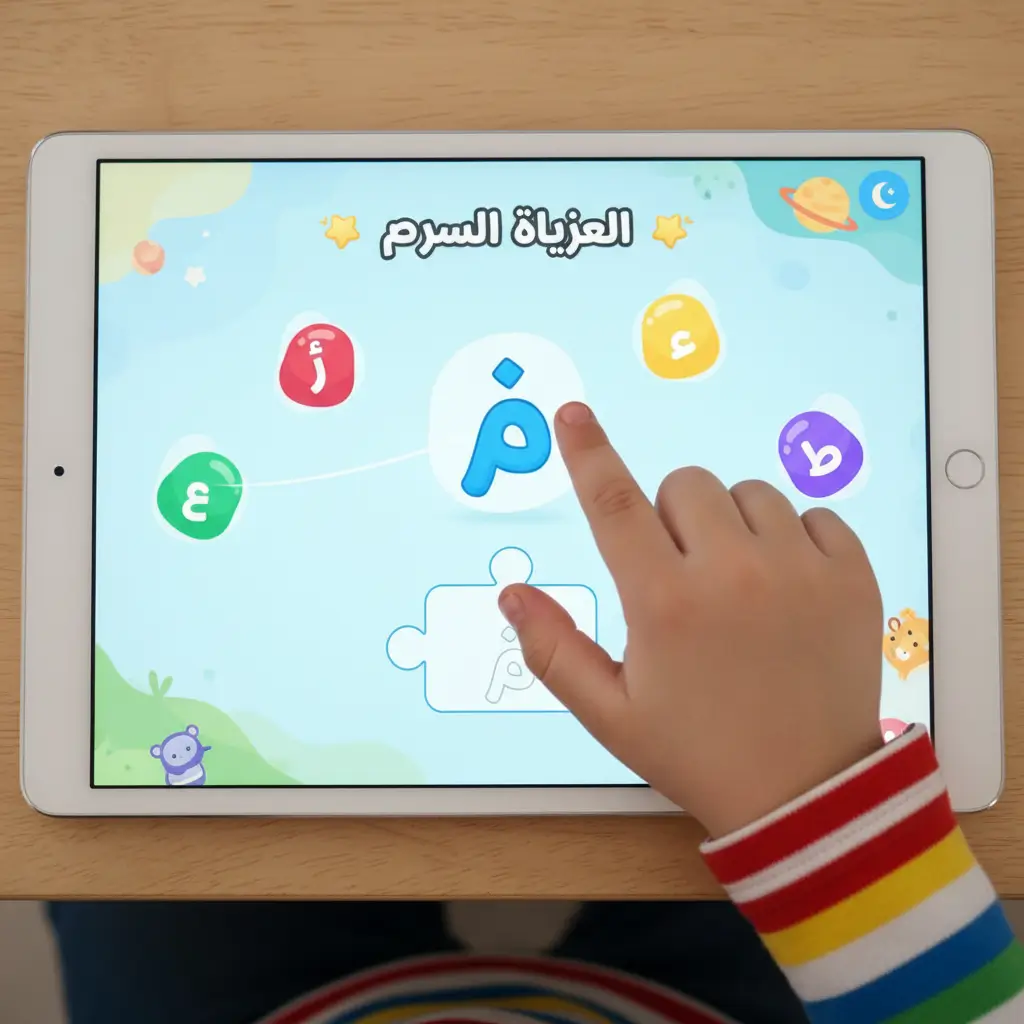
At Alphabet Arabic Academy, we understand that some children need more than excellent teaching—they need intensive, specialized intervention.
Our Specialized Tutoring Approach
✅ Diagnostic-Driven Intervention We start with thorough assessment identifying precise obstacles. Never generic “help with Arabic”—always specific targeted intervention plans.
✅ Tutors with Relevant Specializations Pronunciation specialists. Reading interventionists. Dyslexia-trained tutors. Test prep experts. We match your child’s specific problem with appropriate specialist.
✅ Intensive One-on-One Attention 100% focus on your child every session. Immediate feedback. Real-time adaptation. Progress at your child’s exact pace.
✅ Measurable Goals and Transparent Progress Clear objectives. Regular progress measurements. Transparent reporting. You always know where your child stands.
✅ Evidence-Based Techniques Research-backed intervention methods. Not guesswork—systematic approaches proven effective for specific types of struggles.
✅ Collaboration with Regular Teachers With your permission, we communicate with your child’s regular Arabic teacher ensuring coordinated support.
✅ Parent Partnership Regular communication. Home practice guidance. Strategies you can use supporting your child between sessions.
Your Next Steps: Get Your Child the Targeted Help They Need
Every child who overcomes learning obstacles had someone who recognized the struggle and provided specialized support. That someone could be you, making the decision today.
How to Begin
Step 1: Acknowledge the Specific Problem Move beyond “struggling with Arabic” to “cannot pronounce ع correctly” or “reading is painfully slow” or “has dyslexia affecting Arabic learning.”
Step 2: Determine if Tutoring is Appropriate Is this a specific problem requiring intensive individual intervention? Or does your child just need more practice with regular instruction?
Step 3: Define Clear Goals What does success look like? “Pronounce all Arabic sounds correctly” / “Read at grade level” / “Pass placement test” / “Catch up to class”
Step 4: Find Qualified Specialized Tutor Match problem to tutor specialization. Verify credentials. Take trial session.
Step 5: Commit to the Process Intensive intervention requires consistency. Attend all sessions. Complete home practice. Trust the process.
Step 6: Monitor Progress Regular check-ins. Measurable improvements. Adjust plan when needed.
Conclusion: Targeted Intervention Changes Trajectories
Remember Yasmin from our introduction? She wasn’t “bad at Arabic.” She had specific visual processing differences affecting letter recognition. Her regular teacher was excellent but couldn’t provide the intensive specialized intervention Yasmin needed.
Three weeks with the right tutor changed everything. Not because the tutor taught a complete curriculum—but because she solved the specific problem preventing success.
This is what specialized Arabic tutoring does: identifies obstacles invisible in group settings, provides intensive targeted intervention, and gets children unstuck so they can succeed.
Not every child needs tutoring. But for children facing specific struggles despite good teaching and genuine effort—specialized tutoring intervention can be transformative.
The signs are clear:
- Falling behind despite trying
- Specific skill weaknesses
- Lost confidence
- Preparing for time-sensitive goal
- Learning differences requiring adaptation
- Extended absence creating gaps
- Advanced students needing challenge
The solution is clear: Find qualified tutor with relevant specialization. Set measurable goals. Commit to intensive targeted work. Monitor progress. Celebrate success.
At Alphabet Arabic Academy, our specialized tutors have helped hundreds of struggling children overcome specific obstacles and thrive. We’ve seen pronunciation barriers disappear, reading fluency soar, confidence rebuild, and children who said “I can’t” transform to “Watch me.”
👉 Schedule diagnostic consultation with Alphabet Arabic Academy’s specialized tutors and get your child the targeted help they need.
For comprehensive Arabic learning foundation, explore our Arabic for Kids complete program.
Your child’s struggle is specific. The solution should be too.
Specialized tutoring: intensive intervention when your child needs more than excellent teaching.
بسم الله – In the name of Allah.
This guide helps parents recognize when their child needs specialized Arabic tutoring intervention beyond regular instruction. Not every struggling child needs tutoring—but for those facing specific obstacles despite good teaching, intensive one-on-one intervention with qualified specialized tutors can transform trajectories and restore confidence.