
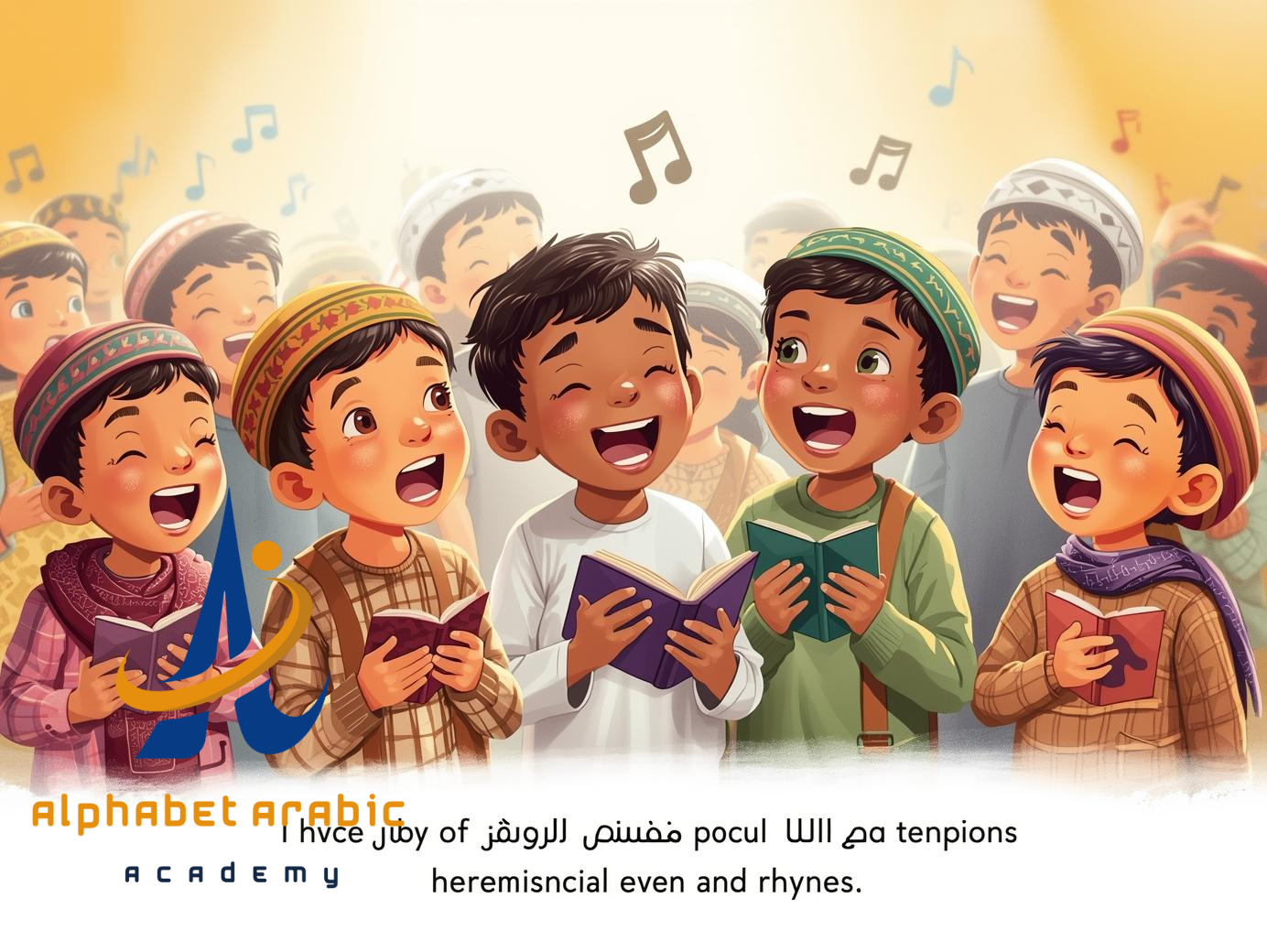
There’s something magical about how Arabic songs and rhymes for children make learning feel like playtime. Through rhythm, melody, and joyful repetition, kids can absorb the Arabic language naturally — without even realizing they’re studying. Whether it’s nursery tunes, traditional rhymes, or modern sing-alongs, Arabic songs help children develop vocabulary, pronunciation, and confidence in an engaging, musical way.
Let’s explore how these simple yet powerful tunes can transform Arabic learning at home or in the classroom. To keep your child engaged and excited about learning, we invite you to explore our fun Arabic lessons for children that turn education into an enjoyable adventure.
Benefits of Arabic Songs for Kids
Positive Impacts on Language Skills
When kids sing Arabic rhymes, they’re not just memorizing — they’re internalizing the sounds, rhythm, and patterns of the Arabic language. Songs like “Alif Ba Ta” make learning the alphabet exciting, while repetitive tunes reinforce sentence structure and vocabulary effortlessly.
Enhancing Emotional Development
Music stimulates happiness. Arabic nursery rhymes connect emotion with sound, helping children express joy, calmness, and curiosity. These melodies nurture not only language fluency but also emotional intelligence — essential for balanced childhood growth.
Arabic Songs and Rhymes for Children Favorites
Top Traditional Tunes for Toddlers
- “Tiri Tiri Ya Asfoura” – A beloved song teaching kindness and nature.
- “Ya Moallem Al Huruf” – Helps kids remember the Arabic alphabet.
- “Ahlan Wa Sahlan” – Welcomes new learners to the world of Arabic in the most cheerful way.
Classic Rhymes Every Child Loves
From Omar & Hana to BabyTV Arabic episodes, classic rhymes never fade. Their catchy rhythm makes even shy children sing out loud — building both memory and speech confidence.
Introducing Songs to Young Learners
Simple Ways to Start Singing
- Start with short, repetitive Arabic rhymes.
- Play songs during daily routines — breakfast, bath time, or bedtime.
- Encourage imitation and movement; let your child dance to the beat!
Even a few minutes a day can create a strong emotional and linguistic connection.
Cultural Importance of Arabic Rhymes
Preserving Heritage Through Music
Arabic rhymes aren’t just educational — they’re cultural treasures. Singing these traditional melodies allows children to experience Arab identity, Islamic values, and the poetic beauty of Arabic expression. Through songs, they inherit stories that shaped generations.
Fun Activities with Children’s Songs
Creative Games with Arabic Rhymes
Turn music time into playtime! Try:
- Freeze dance: Pause the music and see who can stop mid-move.
- Guess the word: Pause a rhyme and let kids finish the line.
- Instrument play: Use simple drums or claps for rhythm training.
Themed Playtime Adventures
Match each song with a fun setting — sing animal rhymes during zoo trips or color songs while painting. This association makes learning contextual and memorable.
Age-Based Song Selections
Tailored Choices for Different Ages
- Toddlers (2–3 years): Focus on alphabet and body parts songs.
- Preschoolers (4–5 years): Add rhythm-based rhymes for vocabulary growth.
- Early school age (6+ years): Introduce songs with short sentences and cultural themes.
Each age learns differently, but music unites them all in joyful discovery.
Arabic Songs and Rhymes for Children Resources
Essential Tools for Parents
- YouTube playlists featuring Arabic nursery rhymes.
- Printable lyric sheets (PDFs) for practice.
- Interactive apps from Start your Arabic learning journey — offering song-based lessons, vocabulary games, and engaging visual resources for kids.
These tools keep children entertained while strengthening their Arabic comprehension and pronunciation.
Interactive Teaching Methods for Rhymes
Engaging Group Activities
Group singing creates teamwork and excitement. Teachers can organize rhyme circles or musical storytelling sessions to encourage participation and listening skills.
Hands-On Learning Techniques
Let kids draw what they hear — a bird, a moon, a flower — connecting visuals with words. Add clapping or drumming to enhance rhythm awareness.
Modern Takes on Traditional Songs
Updated Versions for Today
Today’s educators remix old classics with modern beats and animations to capture young attention spans. Channels like Abrar & Rinad or Omar & Hana add fun visuals and educational gestures that make each song unforgettable.
The blend of tradition and innovation ensures Arabic stays vibrant for future generations.
Don’t Miss These Powerful Resources
- Fun Ways to Teach: Arabic for Kids and Family Learning
- 2025 Guide to Mastering Arabic Writing for Kids Easily
- The Best Ways to Teach Arabic Reading for Kids Beginner
FAQs
What are the best Arabic songs for children?
Start with simple alphabet and animal songs. They’re easy, rhythmic, and help kids learn pronunciation.
How do Arabic rhymes aid development?
They improve memory, emotional understanding, and early reading skills through repetition and fun.
Where to find free Arabic songs online?
Check platforms like YouTube or visit Start your Arabic learning journey, where curated playlists and learning activities are available.
Can anyone help with a Polish song?
We focus on Arabic resources, but cross-cultural learning always enriches children’s experiences.
How can I subscribe to the platform?
You can fill out the quick booking form on our Contact Page to join courses or request a demo.