


Introduction — Arabic for Specific Purposes
Learning Arabic can be exciting, but what if your goal isn’t just general conversation? Maybe you need Arabic for business meetings, travel, professional interviews, or academic purposes. That’s exactly where Arabic for Specific Purposes (ASP) comes in. This approach focuses on real-life situations, specialized vocabulary, and practical applications so you can use the language immediately in the context that matters to you.
Whether you’re a professional working in a corporate environment, a student preparing for academic studies, or a traveler who wants to navigate confidently, learning Arabic in a targeted way saves time and gives results.
Some courses, like Learn Arabic in Qatar Online with Expert Native Speakers, already cater to specific audiences, while others focus on business Arabic, professional communication, or academic language skills. If you’re interested in topics like business arabic course, arabic word for business, or interview arabic, these areas will be explored in more detail in upcoming guides.
In this guide, you’ll discover:
- How to approach learning Arabic for specialized needs.
- Different types of courses and resources available.
- Practical strategies to learn efficiently for business, travel, or academic purposes.
- How to plan your learning path for measurable results.
By the end of this guide, you’ll have a clear roadmap for choosing the right program and applying Arabic confidently in your specific field.
Types of Arabic for Specific Purposes
Arabic isn’t one-size-fits-all. Depending on your goals, there are several specialized paths:
1. Business Arabic
If you’re aiming to work in a corporate or professional environment, Business Arabic teaches you:
- Vocabulary for meetings, emails, presentations, and negotiations.
- Common phrases for interviews, corporate communication, and professional networking.
- Cultural insights essential for working successfully in Arabic-speaking business environments.
Courses like business arabic course or corporate arabic training focus specifically on these needs. If you’re interested, we’ll provide more detailed guides on these topics soon.
| Arabic Phrase | English Translation | Context / Use |
|---|---|---|
| السلام عليكم، كيف حالك؟ | Peace be upon you, how are you? | Initial greeting in meetings |
| أود مناقشة اقتراحنا اليوم | I would like to discuss our proposal today | Starting the business conversation |
| يرجى مراجعة العرض المرفق | Please review the attached proposal | Email or document reference |
| هل يمكننا تحديد موعد اجتماع آخر؟ | Can we schedule another meeting? | Planning follow-up meetings |
| شكراً لتعاونكم المستمر | Thank you for your continued cooperation | Closing remarks or appreciation |
2. Academic Arabic
For students or researchers, Academic Arabic equips you with:
- Language for essays, reports, and presentations.
- Vocabulary for specialized fields such as science, law, or humanities.
- Reading comprehension strategies for textbooks, articles, and research papers.
Topics like Arabic for academic purposes will be explored in future articles, giving you structured learning paths for academic success.
3. Travel and Everyday Communication
For travelers or anyone living temporarily in an Arabic-speaking country:
- Essential phrases for transportation, hotels, restaurants, and shopping.
- Quick conversational skills to navigate everyday situations.
- Strategies to learn fast and practical Arabic from home or online, like our course Learn Arabic from Home for Travelers: Fast and Easy.
| Arabic Phrase | English Translation | Context / Use |
|---|---|---|
| أين أقرب محطة حافلات؟ | Where is the nearest bus station? | Asking for directions |
| أريد حجز غرفة لشخصين | I want to book a room for two | Hotel reservation |
| كم سعر التذكرة؟ | How much is the ticket? | Buying transport tickets |
| هل يمكنني الدفع بالبطاقة؟ | Can I pay by card? | Shopping or restaurants |
| أريد قائمة الطعام من فضلك | I would like the menu, please | Ordering in a restaurant |
This approach ensures that learners get immediate practical skills without going through unnecessary theory.
Effective Learning Strategies for Arabic for Specific Purposes

Learning Arabic for a specific purpose isn’t just about memorizing words—it’s about using the language in real-life contexts efficiently. Here’s how you can approach it for each type:
1. Strategies for Business Arabic
To succeed in corporate or professional environments:
- Focus on vocabulary: Learn terms for meetings, negotiations, emails, and presentations. Start with high-frequency words used in your industry.
- Role-playing exercises: Practice simulated business meetings or interviews with a partner or tutor. This improves fluency and confidence.
- Use authentic materials: Read Arabic business articles, reports, and websites relevant to your field. This will help you understand formal styles and industry jargon.
- Online tools and courses: Platforms offering corporate Arabic training or professional Arabic lessons can help you track your progress and provide structured learning.
Tip: Even spending 20 minutes a day on targeted vocabulary and phrases makes a big difference over a few months.
2. Culture & Etiquette in Arabic Business
When it comes to doing business in the Arab world, understanding cultural norms and etiquette is just as important as mastering the language. Arabs place a high value on personal relationships, trust, and respect, and ignoring these subtleties can hinder your professional success—even if your Arabic is flawless.
Greetings and Initial Conversations
Before diving into business discussions, it’s customary to exchange greetings and ask about personal well-being. A simple “السلام عليكم، كيف حالك؟” (Peace be upon you, how are you?) goes a long way. These initial exchanges aren’t small talk—they build rapport and show that you respect the person beyond the professional context.
Majlis Etiquette
The majlis—a traditional sitting room for meetings and gatherings—is a key part of Arab business culture. Whether in a formal office or a private home, paying attention to majlis etiquette demonstrates cultural awareness:
- Wait to be invited to sit; the host usually directs seating arrangements.
- Engage in polite conversation before discussing business matters. Topics like family, health, or even sports are common icebreakers.
- Accept refreshments if offered; refusing can be seen as impolite.
Conducting Meetings
- Meetings often start with 5–10 minutes of personal conversation before addressing the agenda. Don’t rush.
- Use formal titles and surnames until you are invited to use first names.
- Avoid interrupting; patience and listening are highly valued.
Practical Example
Imagine you are meeting a potential client in Qatar. You start with:
“السلام عليكم، أتمنى أن تكون بخير، كيف حال العائلة؟” (Peace be upon you, I hope you are well, how is your family?)
After a few minutes of conversation, only then do you transition to:
“بالنسبة للاجتماع اليوم، أود مناقشة اقتراحنا حول المشروع المشترك.” (Regarding today’s meeting, I would like to discuss our joint project proposal.)
This sequence shows respect, builds trust, and makes your communication more effective.
By understanding these cultural nuances, learners of Business Arabic not only communicate effectively but also gain a competitive edge by demonstrating respect and cultural intelligence.
3. Strategies for Academic Arabic
For students or researchers preparing for university or academic projects:
- Structured reading practice: Start with articles or journals in your field. Highlight keywords and practice summarizing paragraphs in your own words.
- Writing exercises: Practice writing essays or reports in Arabic, focusing on clarity and proper grammar.
- Listening comprehension: Watch academic lectures or podcasts in Arabic to become familiar with formal academic discourse.
- Connect with native speakers: Online tutoring sessions or language exchange platforms can help refine both comprehension and expression.
Note: If you’re interested in Arabic for academic purposes, more detailed guides will be available soon.
4. Strategies for Travel and Everyday Arabic
For travelers or anyone living in an Arabic-speaking country temporarily:
- Essential phrase memorization: Focus on phrases for transport, hotels, restaurants, and shopping.
- Interactive apps: Use mobile apps that simulate conversations to practice daily dialogues.
- Engage with locals: Even small daily interactions, like ordering coffee or asking for directions, help reinforce learning.
- Short intensive courses: Programs like Learn Arabic from Home for Travelers: Fast and Easy provide quick, practical learning tailored for immediate use.
Tip: Prioritize communication over perfection—being understood is more important than speaking flawlessly at the start.
Top Courses and Programs for Arabic for Specific Purposes

Choosing the right course can make the difference between slow progress and fast, confident learning. Depending on your goal—business, academic, or travel—different programs provide targeted approaches.
1. Business Arabic Programs
Professionals looking to excel in Arabic-speaking work environments should consider:
- Business Arabic Course – Focuses on corporate vocabulary, negotiation skills, emails, and presentations.
- Corporate Arabic Training – Structured programs for companies or teams to communicate effectively in professional contexts.
- Professional Arabic – Designed for ongoing career development, interviews, and networking.
If you’re interested, more detailed insights about these programs will be available soon.
2. Academic Arabic Programs
Students and researchers can benefit from programs that emphasize formal language skills:
- Arabic for Academic Purposes – Provides vocabulary and strategies for essays, reports, and presentations.
- Structured Academic Courses – Offer step-by-step guidance for reading research papers, academic writing, and comprehension exercises.
If you’re keen on diving deeper into this area, guides on these programs will be published soon.
3. Travel and Everyday Communication Courses
For travelers or short-term learners:
- Learn Arabic from Home for Travelers: Fast and Easy – Quick, practical lessons designed for real-life situations.
- Online Conversational Courses – Focused on everyday phrases and interactive dialogues for immediate communication.
- Regional and Local Tutors – Personalized lessons for those wanting hands-on experience or hybrid learning.
By selecting courses tailored to your purpose, you maximize learning efficiency and real-world applicability. Combining structured programs with practical exercises ensures your skills grow quickly and effectively.
Planning Your Learning Path: Beginner to Advanced
A successful Arabic learning journey requires a structured path, especially when your goal is specialized. Here’s how to approach it for each focus area:
1. Business Arabic
Beginner Stage:
- Learn common corporate phrases, greetings, and basic email vocabulary.
- Focus on understanding simple business interactions and meeting etiquette.
Intermediate Stage:
- Expand vocabulary for negotiations, presentations, and reports.
- Practice role-playing meetings or interviews with peers or tutors.
- Start reading simple business articles or company communications in Arabic.
Advanced Stage:
- Master industry-specific terminology and complex business documents.
- Engage in real-life scenarios such as client meetings, contracts, or networking events.
- Consider corporate Arabic training or advanced online programs to refine fluency.
2. Academic Arabic
Beginner Stage:
- Learn basic academic vocabulary and sentence structures.
- Start reading simple academic texts and summarizing paragraphs in Arabic.
Intermediate Stage:
- Practice writing essays, reports, and short research notes.
- Improve comprehension of lectures, articles, and study materials.
Advanced Stage:
- Master formal academic writing and specialized vocabulary for your field.
- Participate in discussions, seminars, or research collaborations in Arabic.
- Programs like Arabic for Academic Purposes will be explored in future guides.
3. Travel and Everyday Communication
Beginner Stage:
- Memorize essential phrases for transport, dining, and shopping.
- Practice pronunciation and basic conversations with native speakers or apps.
Intermediate Stage:
- Engage in longer dialogues, ask for directions, and handle common challenges independently.
- Begin learning informal expressions used locally.
Advanced Stage:
- Achieve fluent conversational skills for everyday interactions.
- Understand cultural nuances and idiomatic expressions.
- Programs like Learn Arabic from Home for Travelers: Fast and Easy support advanced situational practice.
By planning your learning in stages, you progress efficiently, avoid frustration, and ensure your Arabic skills are relevant to your goals—whether professional, academic, or practical.
Essential Tools and Resources for Arabic for Specific Purposes
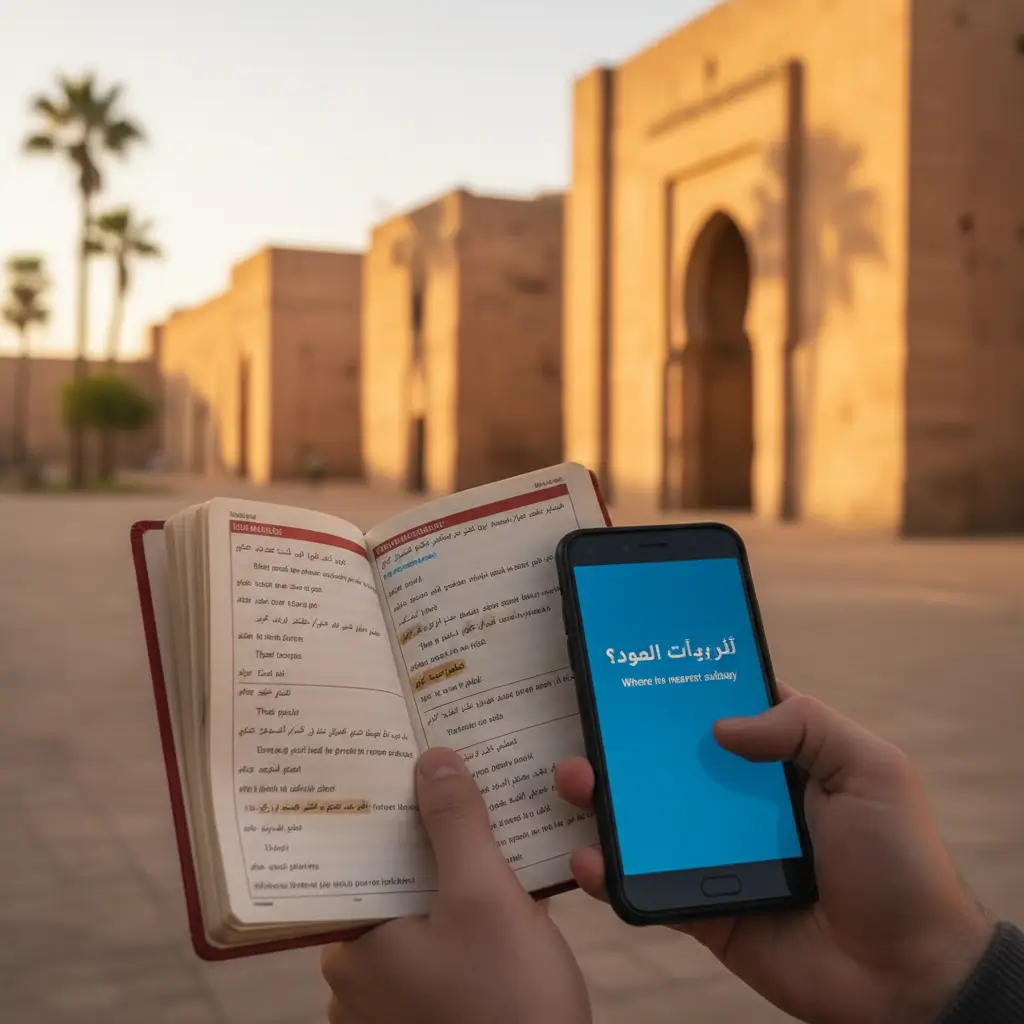
To learn effectively, having the right tools and resources is just as important as choosing the right course. Here’s what works best for each focus area:
1. Business Arabic Resources
- Online Platforms: Interactive courses that focus on business terminology and email writing.
- Corporate Arabic Training Programs: Many companies offer structured sessions for teams or individual learners.
- Professional Networking Practice: Use role-play simulations for meetings, negotiations, and presentations.
- Business Dictionaries and Glossaries: Digital or printed resources for industry-specific vocabulary.
Tip: Combining structured lessons with practical exercises ensures you can apply what you learn immediately in professional settings.
2. Academic Arabic Resources
- Academic Textbooks and Journals: Reading materials in your field help you develop formal vocabulary and comprehension.
- Writing and Grammar Guides: Essential for essay writing, reports, and presentations.
- Online Lectures and Podcasts: Listening to lectures in Arabic strengthens comprehension and note-taking skills.
- Tutoring or Study Groups: Engaging with native speakers or peers enhances both written and spoken academic skills.
Note: If you’re interested in Arabic for academic purposes, more detailed guides and resources will be shared soon.
3. Travel and Everyday Communication Resources
- Language Apps and Online Platforms: Apps like Duolingo, Memrise, or specialized courses such as Learn Arabic from Home for Travelers: Fast and Easy provide quick, practical lessons.
- Flashcards and Phrasebooks: Perfect for memorizing essential expressions for hotels, restaurants, transport, and shopping.
- Native Speaker Interaction: Conversational practice with tutors or local speakers accelerates learning and improves confidence.
- Cultural Resources: Watching Arabic TV, videos, or following local news helps familiarize learners with daily expressions and pronunciation.
Using a combination of these tools ensures learners gain practical skills, stay motivated, and can apply Arabic immediately in the real-world contexts they are targeting.
Benefits of Learning Arabic for Specific Purposes
Learning Arabic with a clear purpose goes far beyond just knowing words—it opens doors professionally, academically, and personally.
1. Professional Benefits
- Career Advancement: Mastering Business Arabic allows you to participate confidently in meetings, negotiations, and corporate communications.
- Networking Opportunities: Being able to communicate in Arabic connects you with colleagues, clients, and partners across the Middle East and beyond.
- Competitive Edge: Knowledge of professional Arabic sets you apart in job interviews, promotions, and international assignments.
2. Academic Benefits
- Enhanced Study Skills: Learning Arabic for Academic Purposes equips you to read, write, and present complex topics in your field.
- Access to Resources: Understanding Arabic opens access to a wealth of research papers, journals, and academic content otherwise unavailable.
- Research and Collaboration: Academic Arabic skills allow collaboration with Arabic-speaking researchers and institutions.
3. Personal and Cultural Benefits
- Travel Confidence: Mastering everyday Arabic phrases enhances your travel experience, helping you navigate, shop, and interact with locals.
- Cultural Understanding: Learning language in context builds deeper appreciation for cultural nuances, traditions, and social etiquette.
- Cognitive and Learning Growth: Focusing on specific purposes strengthens memory, problem-solving, and language-learning strategies overall.
By targeting your Arabic learning to specific needs, you maximize results, save time, and gain real-world advantages that general language courses often can’t provide.
Final Steps: Choosing Your Path in Arabic for Specific Purposes

Now that you understand the types, strategies, and benefits of learning Arabic for specific purposes, it’s time to take action and choose the path that fits your goals:
1. Assess Your Goals
- Are you learning Arabic for business, academic studies, or travel?
- Identify your priority areas: vocabulary, conversation, writing, or professional communication.
- Knowing your purpose ensures you spend time on what really matters.
2. Choose the Right Program
- For Business Arabic, consider structured courses or corporate training programs that focus on professional communication.
- For Academic Arabic, choose courses that emphasize reading, writing, and comprehension of scholarly materials.
- For Travel or Everyday Arabic, select short, practical programs like Learn Arabic from Home for Travelers: Fast and Easy.
- If you’re interested in topics like business arabic course, arabic word for business, or arabic for academic purposes, detailed guides on these programs will be available soon.
3. Plan Your Learning Journey
- Start with beginner-friendly modules, then progress to intermediate and advanced lessons.
- Use a mix of online courses, tutoring, apps, and practical exercises to reinforce learning.
- Set measurable goals and track your progress to stay motivated.
4. Apply Arabic in Real Life
- Use every opportunity to practice with native speakers, colleagues, or online communities.
- Engage with real-world materials like business reports, academic articles, or travel dialogues.
- The more you use Arabic in context, the faster you gain confidence and fluency.
5. Keep Growing
- Learning Arabic for specific purposes is a continuous process.
- Explore advanced courses, professional certifications, or specialized workshops to refine your skills over time.
- Stay curious and adapt your learning path as your needs evolve.
By following these steps, you’ll have a clear roadmap to succeed in Arabic for Specific Purposes. Whether your goal is professional advancement, academic achievement, or confident travel, this structured approach ensures efficient and effective learning.
Frequently Asked Questions (FAQs)
Q1: What is Arabic for Specific Purposes?
A1: Arabic for Specific Purposes is focused learning for business, academic, or travel situations, helping learners gain practical skills quickly.
Q2: How can I learn Business Arabic effectively?
A2: Focus on industry-specific vocabulary, role-play meetings or interviews, use authentic business materials, and consider corporate Arabic training courses.
Q3: Is there a course for travelers who want quick practical Arabic?
A3: Yes, programs like “Learn Arabic from Home for Travelers: Fast and Easy” provide quick, practical lessons for immediate use.
Q4: Can I use Arabic for academic research and writing?
A4: Absolutely. Academic Arabic courses help you read journals, write essays, and present your research with the correct vocabulary and formal style.