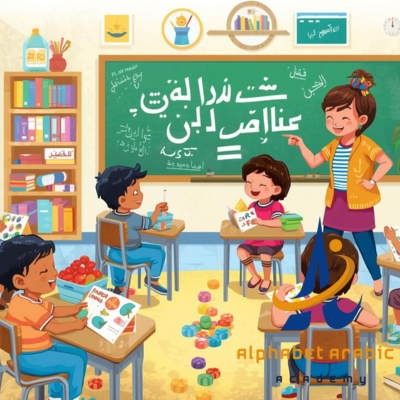
Innovative Ways to Teach Kids Arabic Vocabulary Lessons
Teaching kids Arabic vocabulary doesn’t have to feel like work — it can be an adventure filled with colors, laughter, and discovery. Whether your child is just starting to learn or already knows some Arabic, using creative techniques will make each lesson stick and spark genuine love for the language.
Let’s dive into the most innovative and effective ways to make kids Arabic vocabulary lessons truly unforgettable.
Kids Arabic Vocabulary Lessons Basics
Simple Word Introduction Techniques
Start with familiar and visual words — things children see every day like “بيت” (house), “شجرة” (tree), or “قطة” (cat). Pair every word with a colorful image, a gesture, or even a real-life object.
Children learn best when their senses are engaged — let them touch, draw, and repeat!
Building Foundational Arabic Phrases
Once basic nouns are clear, build short and meaningful phrases: “أنا أحب التفاح” (I love apples).
Keep phrases simple, rhythmic, and repetitive to enhance memorization. Story-based examples make it even more enjoyable.
Innovative Strategies in Kids Arabic Vocabulary Lessons
Interactive App-Based Learning Methods
Digital tools can transform language learning into interactive playtime. Platforms like AlifBee and Alphabet Arabic Academy’s online programs integrate visuals, sounds, and mini-games to improve recall while keeping kids entertained.
Gamified Flashcard Systems
Turn vocabulary flashcards into a competitive family game — kids earn points for correct answers and get mini-rewards. Use digital flashcards for motion and sound; repetition through fun builds confidence.
Engaging Games for Kids Arabic Vocabulary
Themed Board Games for Word Play
Create board games around Arabic words — like an “Animal Adventure” or “Color Quest.”
Every time your child lands on a square, they pronounce or act out the word. Games mix learning with laughter, helping retention without pressure.
Creative Art Projects in Vocabulary Teaching
Drawing and Coloring Arabic Words
Encourage your child to illustrate vocabulary — draw “بيت” and color it bright yellow. Art transforms abstract sounds into tangible, emotional memories. Hang the artwork on the wall to make Arabic part of your home life.
Family-Based Kids Arabic Vocabulary Lessons
Home Storytelling Sessions for Words
Storytelling time is golden. Replace bedtime stories with short Arabic tales filled with the words your child is learning. Make voices, ask them to repeat phrases, and let them retell the story in their own way.
Collaborative Family Word Challenges
Turn dinner time into a quick word quiz. Each family member says one Arabic word and uses it in a sentence. It builds vocabulary while creating a sense of shared accomplishment.
Music and Songs for Word Retention
Rhyming Tunes in Arabic Vocabulary
Songs are one of the most powerful tools for memorization. Choose catchy Arabic rhymes and playful chants about colors, animals, and actions. Singing embeds vocabulary into rhythm — and rhythm never fades from memory.
Outdoor Adventures in Language Learning
Nature Walks with Word Hunts
Take Arabic outdoors! Point to a tree and say “شجرة,” a cloud — “سحابة.”
Let your child collect leaves or stones and label them with Arabic words. Outdoor learning makes vocabulary real and emotionally connected.
Assessment Tools for Kids Arabic Vocabulary
Progress Tracking via Quizzes
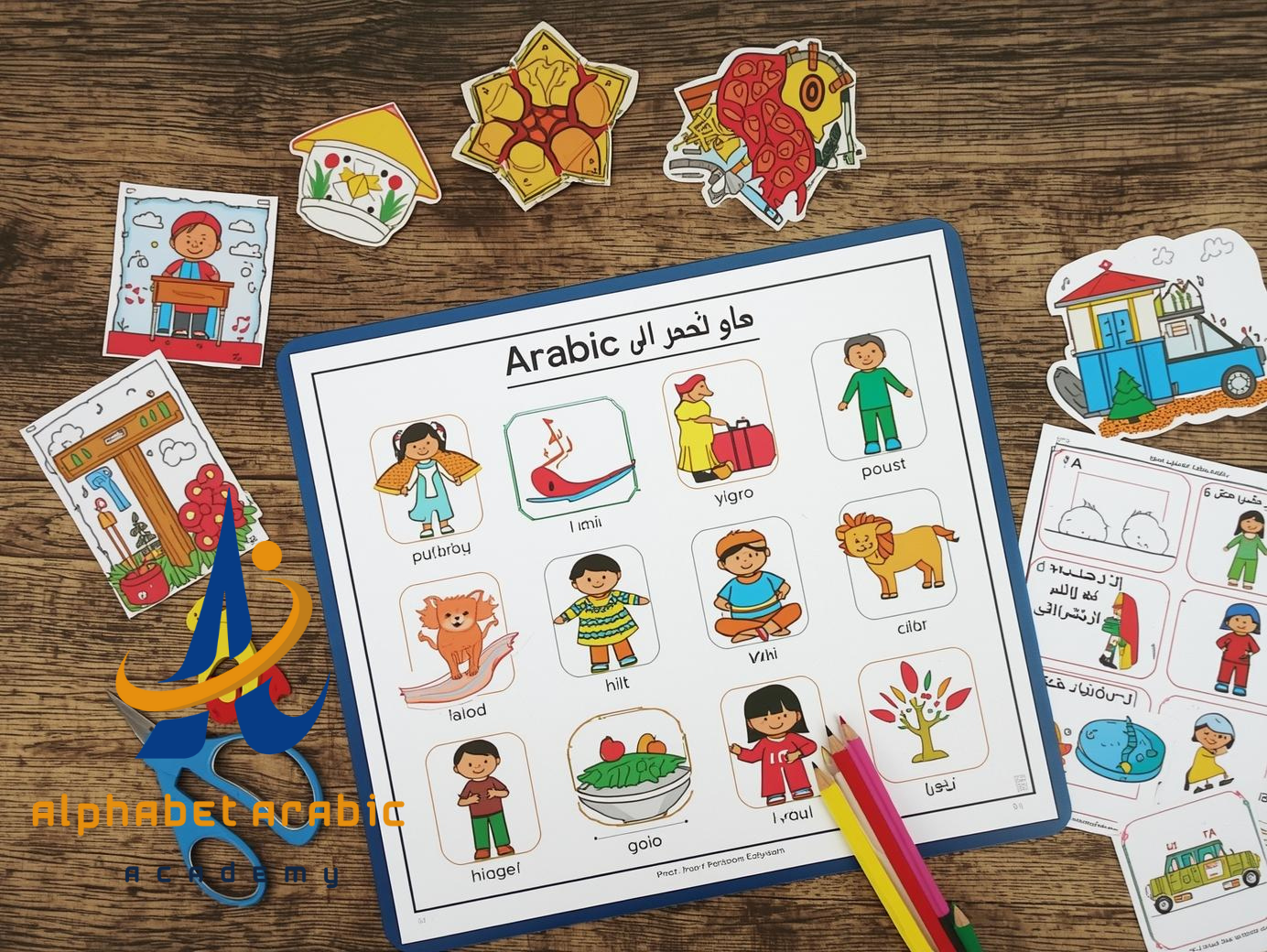
Keep progress visible through mini-quizzes or printable worksheets. Kids love ticking boxes and seeing how many words they remember. You can even set up a fun “Arabic Star Chart” for motivation.
Community Events for Language Practice
Group Playdates with Vocabulary Themes
Join or host playdates where kids share Arabic words they’ve learned — maybe even perform short role-plays or sing songs. Group learning nurtures confidence and creates a positive social environment for Arabic speaking.
Why Choose Alphabet Arabic Academy
At Alphabet Arabic Academy, our lessons combine storytelling, play, and cultural immersion. Every class is tailored to make your child fall in love with Arabic naturally.
You can also book a personalized session or consultation through our contact page.
FAQs
What age suits kids Arabic vocabulary lessons?
Typically, ages 4–10 are ideal to begin vocabulary learning since the brain absorbs sounds, words, and rhythms more efficiently.
How can I engage kids in Arabic vocabulary effectively?
Use a mix of songs, games, storytelling, and digital platforms. Keep sessions short, frequent, and full of energy.
What are the best resources for kids Arabic vocabulary lessons?
Interactive apps, printable worksheets, Arabic storybooks, and online classes at Alphabet Arabic Academy provide a complete toolkit for learning success.